
Free tool
Water Damage Class Checker: What Class Is Your Damage?
Water damage is classified 1 to 4 by how deeply water has penetrated materials. Your water damage class affects drying time, the equipment needed and the cost. Answer five questions to find out where you stand.
What Class Is Your Water Damage?
Class tells you the drying challenge. Category (clean water, gray water or sewage) is a separate factor that affects safety protocol and cost. A crew assessment confirms both on arrival.
Call (303) 479-3055 for a free on-site assessment. The crew tells you the class and category before work begins, and you get a written estimate before anything starts.
The four classes at a glance
| Class | What it looks like | Typical drying |
|---|---|---|
| Class 1 | One room or less, mostly hard surfaces, little soaked in | 1 to 2 days |
| Class 2 | A full room with carpet and wall materials wet | 3 to 5 days |
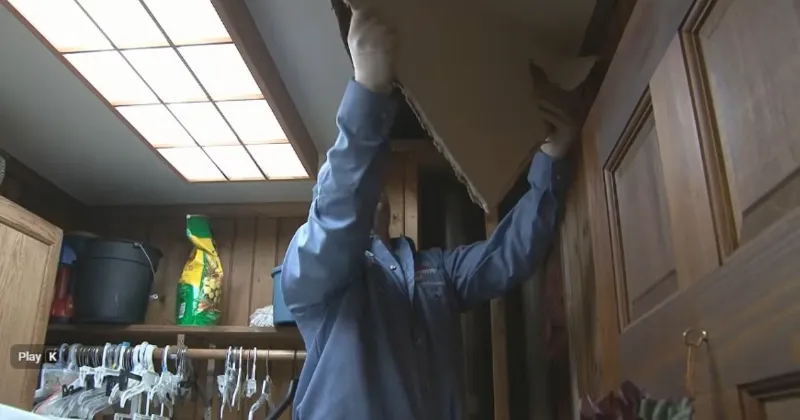
| Class 3 | Ceiling, walls and insulation saturated, often from above | 5 to 7 days |
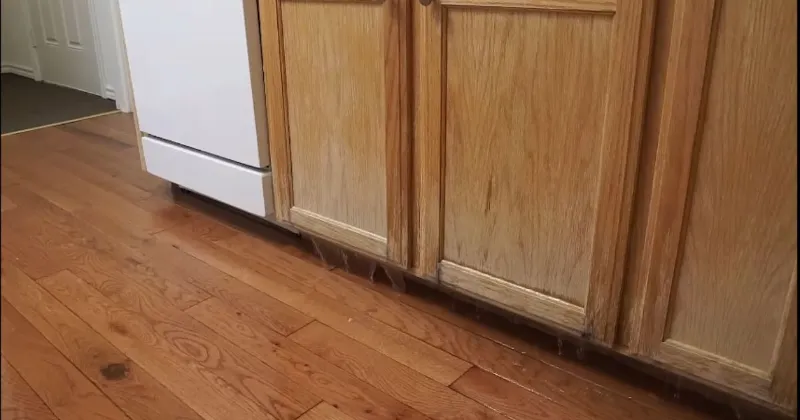
| Class 4 | Hardwood, lath and plaster, concrete or masonry holding water deep | 7 to 10 days or more |
Why your water damage class matters
The class sets the size of the job. It decides how many air movers and dehumidifiers go in, whether any drywall or flooring has to come out, how many days the equipment stays, and where your bill is likely to land. A Class 1 kitchen spill and a Class 3 ceiling soak can start from the same broken pipe, yet the second can take several times the equipment and time.
Class and category answer two different questions
Class is about how much water and how deep it went. Category is about how dirty the water is. Crews track both because they change different things:
- Category 1: clean water from a supply line or faucet. It can worsen to Category 2 if it sits too long.
- Category 2: water carrying contaminants, such as washer, dishwasher or toilet overflow without waste. Surfaces are cleaned before drying.
- Category 3: sewage or outside floodwater. Porous materials it soaks are usually removed and the area is disinfected. Weather-related water is not automatically Category 3; it is judged on inspection.
A Class 1 job with Category 3 water still needs protective gear. A Class 3 job with clean water may need no disinfection at all.
Common Boulder examples by class
- Class 1: a dishwasher line leaks onto a tile kitchen floor and is caught within the hour.
- Class 2: a washing machine overflows into a carpeted basement family room and water climbs the drywall.
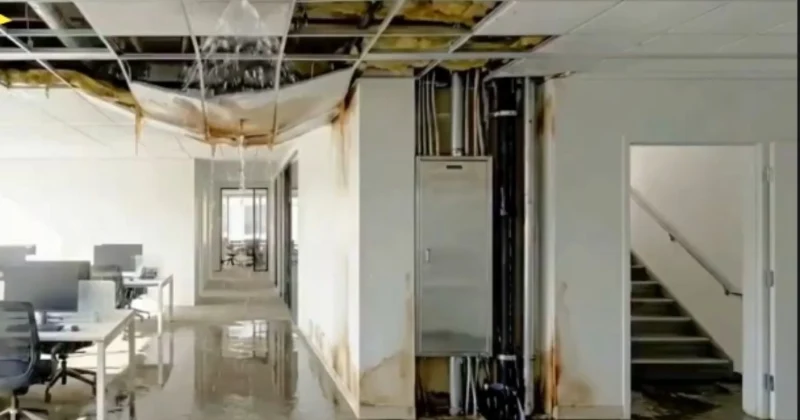
- Class 3: a pipe bursts in an upstairs bathroom and soaks the ceiling, insulation and walls of the room below. This is the most common result of a burst pipe above a finished room.
- Class 4: water runs under the oak floors or into the lath-and-plaster walls of a pre-1960s home in Mapleton Hill or Whittier.
Signs your damage is a higher class than it looks
- Baseboards are swelling or pulling away from the wall. Water has wicked up behind them into the drywall.
- Paint is bubbling or drywall feels soft a foot or more above the floor.
- The ceiling below a wet room shows a stain, a sag or a drip. Water has crossed floors, which usually means insulation and joists are wet too.
- Hardwood boards are cupping, with edges higher than the middle. Moisture is trapped underneath.
- A musty smell shows up a day or two later. Moisture is hiding somewhere you can't see.
Any of these pushes a job up at least one class, so mention them when you call.
What each class usually involves on the job
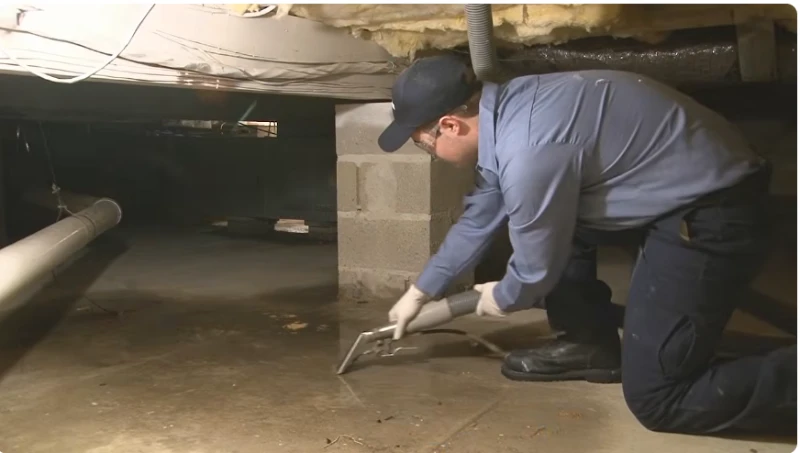
- Class 1: extraction, a few air movers and one dehumidifier, with readings until the floor and baseboards match the dry standard.
- Class 2: carpet pad is often pulled, air movers line the walls, and baseboards may come off so the wall cavity can breathe.
- Class 3: wet ceiling drywall and insulation are usually removed through selective demolition, and more dehumidifiers are added to handle the volume of water.
- Class 4: specialty setups such as floor drying mats, low-humidity desiccant dehumidifiers or directed airflow into wall cavities, plus a longer schedule of daily readings.
Class checker questions
Can the class change during the job?
Yes. Opening a wall or lifting flooring sometimes shows water went further than it looked. If that happens, the crew stops, shows you, and gets your written approval before the scope grows.
Does my insurance company care about the class?
Adjusters use class and category to judge whether the equipment and time on your bill make sense. That's why the drying log and moisture readings matter so much.
Can I work out the class myself?
This tool gives you a solid first idea. Hidden moisture inside walls and under floors only shows up with a meter, so a crew confirms the class on site.
Class 3 or 4 damage in your home?
Deep water needs specialty drying. Call for a crew now, day or night.