
Free tool
Water Damage Drying Time Estimator
How long does water damage drying take? It depends on three things: how much water got in, what materials absorbed it, and how the space is built. Enter your situation below and this water damage drying time estimator gives you a realistic range.
Drying Time Estimator: How Long Will Drying Take?
This drying time estimator is based on IICRC S500 drying standards. Boulder's altitude, more than 5,300 feet, reduces dehumidifier efficiency, so actual drying may run 10 to 20% longer than sea-level estimates. Daily moisture readings confirm when the structure has reached its dry standard.
Need an exact timeline for your property? Call (303) 479-3055. A crew reaches you within 60 minutes, around the clock, with no after-hours charge.
Typical water damage drying time by situation
| Situation | Estimated range |
|---|---|
| Class 1, hard surfaces, small room | 1 to 2 days |
| Class 2, carpet and walls, no crawl space | 3 to 5 days |
| Class 2, carpet and walls, crawl space involved | 4 to 6 days |
| Class 3, ceilings and insulation saturated | 5 to 7 days |
| Class 4, hardwood, plaster or concrete | 7 to 10 days |
Larger rooms, over about 500 square feet, often add a day to the top of the range because more equipment has to share the work.
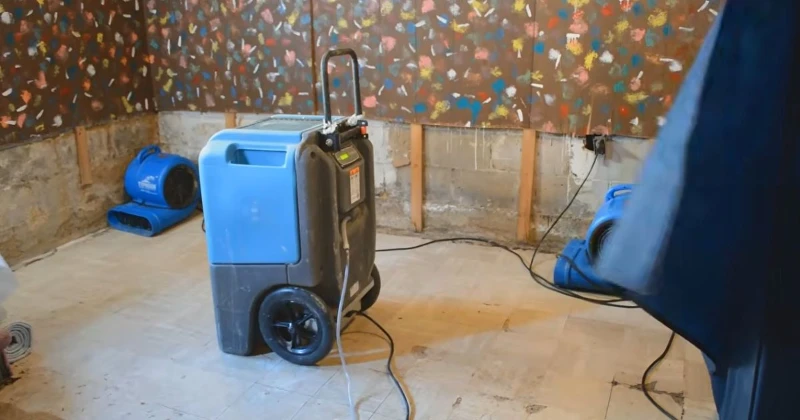
What changes the drying time
- The materials that got wet. Tile and vinyl give water up quickly. Carpet pad, drywall and insulation hold it. Hardwood, plaster and concrete hold it deepest and dry slowest.
- How far the water traveled. Water wicks up drywall and runs under baseboards and flooring. A stain that looks small can hide wet framing a few feet away.
- How long it sat before drying started. Every hour lets water soak deeper. A job started the same day almost always finishes faster than one started after a weekend.
- How the space is built. Crawl spaces, finished basements and multi-level homes are harder to ventilate and usually need more equipment.
- The air itself. Drying is about moving moisture out of materials and into air that can hold it. Cold rooms and humid air slow that down, which is why crews manage heat and humidity, not just airflow.
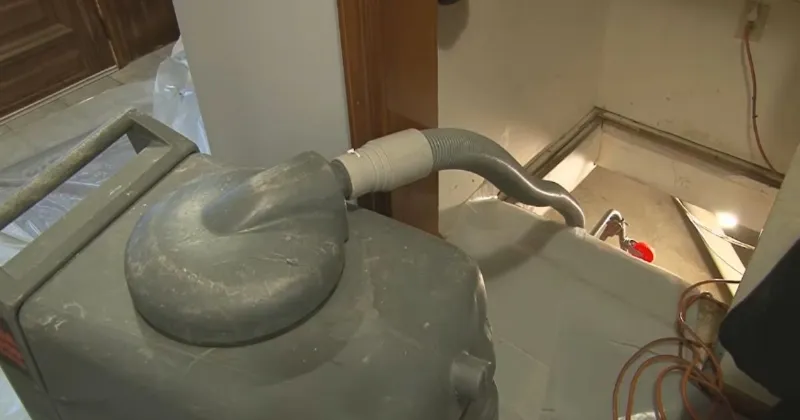
Why drying can take longer in Boulder homes
Boulder adds a few local twists. At more than 5,300 feet, thinner air makes dehumidifiers work harder, which is why the fine print above allows for 10 to 20% more time. Many homes built before 1960 have lath-and-plaster walls that soak up water deeply and dry slowly. Older homes in North Boulder and around Mapleton Hill often sit over tight crawl spaces that trap humidity. And from November through March, cold basements and garages slow evaporation unless the space is kept warm.
How to keep drying on schedule
- Leave the air movers and dehumidifiers running day and night, even though they are loud.
- Keep doors and windows closed unless the crew asks you to open them.
- Keep the heat at a normal living temperature. Turning it down to save money slows drying.
- Don't move or unplug equipment. Each unit is placed for a reason.
- Tell the crew right away about any new stain, smell or soft spot in the floor.
- Let saturated carpet pad and drywall come out when the crew recommends it. Trying to dry them in place often adds days.
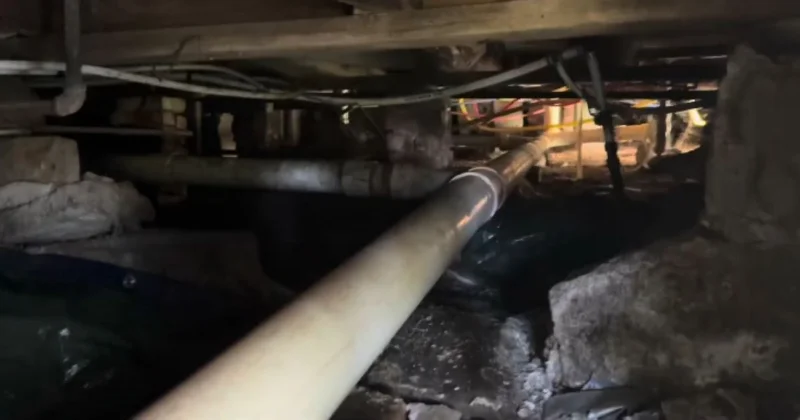
What drying looks like, day by day
- Day 1: standing water is extracted, materials that can't be saved come out, and air movers and dehumidifiers are set. The first moisture readings become the starting point in the log.
- Days 2 and 3: readings fall fastest here. The crew checks every point, moves or adds equipment where numbers are slow to drop, and empties or monitors dehumidifiers.
- The middle stretch: surface materials reach dry first, while framing, subfloor and dense materials catch up. This is where Class 3 and Class 4 jobs spend their extra days.
- Final day: every reading matches the dry standard, equipment comes out, and you get the completed drying log for your records and your adjuster.
How you'll know the job is finished
A water damage job isn't done when surfaces feel dry to the touch. It's done when moisture readings in the wet areas match readings taken from the same materials in unaffected rooms. That match is called the dry standard. Readings are taken every day, written into a drying log, and the equipment leaves only when the numbers say so. You keep a copy of the full log.
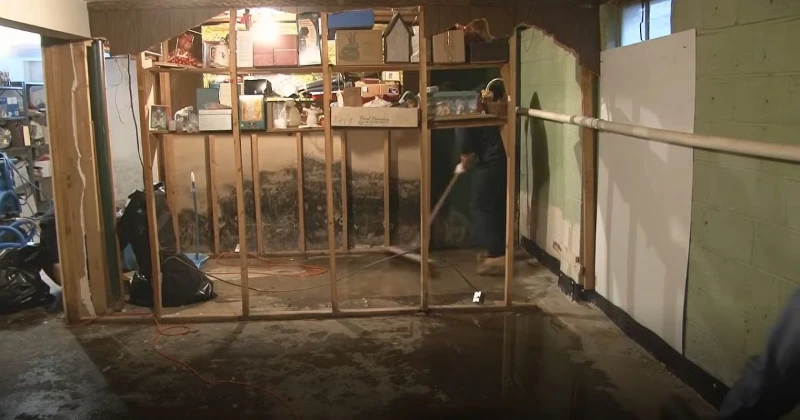
Drying time questions
Can I speed things up with my own box fans?
A few fans help with a small spill on a hard floor. For anything that soaked into carpet, walls or a subfloor, household fans move air across the surface but don't pull water out of the material, and blowing air at contaminated water can spread it. Commercial air movers paired with dehumidifiers do the real work.
Is it safe to stay home while things dry?
Usually, yes, as long as the water was clean and the affected rooms can be closed off. Expect steady noise and some warmth from the equipment. If the water was sewage or reached the kitchen or only bathroom, staying elsewhere for a few days is often easier.
What if it's still wet after the estimated time?
That happens with dense materials, hidden pockets or cold weather. The crew adjusts equipment based on each day's readings and keeps going until the dry standard is reached. The estimate is a planning range, not a deadline.
Want the drying started today?
Call now and a certified crew heads out right away, at any hour.