
Free tool
Water Damage Photo Checklist: What to Document Before the Crew Arrives
Your insurance adjuster will ask for dated photos, a moisture log and a written scope. This water damage photo checklist shows what to capture for your insurance claim in the first hour, before anything is moved or dried.
What to Document Before the Crew Arrives
0 of 11 done
Photos to take right now
Dates and details to write down
Your ticks are saved on this device only. Nothing is sent to us.
What not to do
- Don't run box fans into wet walls. It can spread contamination into areas that weren't affected.
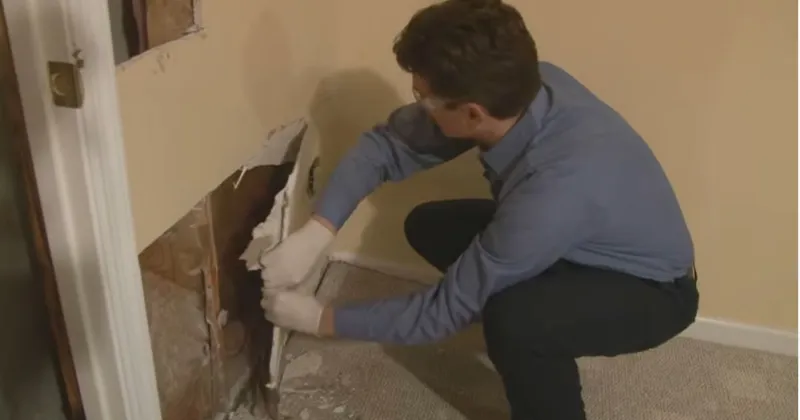
- Don't remove wet drywall yourself. The demolition scope needs to be documented first.
- Don't throw away damaged materials yet. Your adjuster may need to see them.
What the crew adds when it arrives
Your photos cover the first hour. From there, the crew builds the rest of the record: dated moisture readings at every measurement point, thermal imaging results, a written scope of the affected areas, and a drying log for every day of the job. It all comes together in a documentation package that belongs to you.
One thing to know: we don't communicate directly with your insurance company. The package is yours, and you decide what to send your adjuster and when.
Call (303) 479-3055. A crew arrives inside the hour and begins its own record right away.
Why the first hour matters for your claim
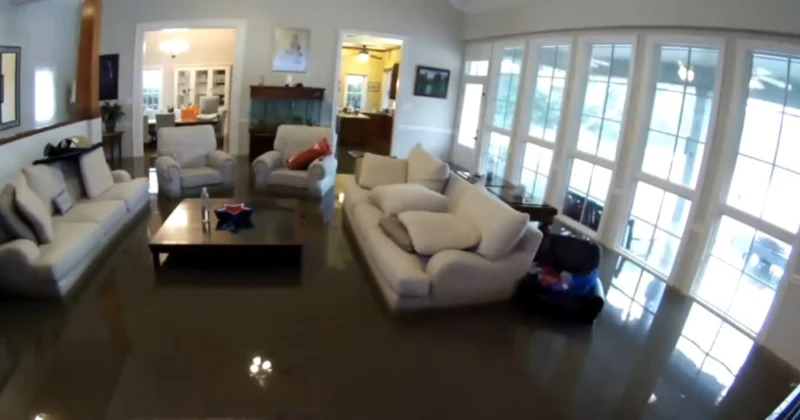
Adjusters are trying to answer three questions: what caused the damage, how far it spread, and whether everything reasonable was done to limit it. Photos taken before anything is moved answer the first two better than any description. Quick action on the source, like closing a shutoff valve and calling for help, answers the third. Most policies expect you to take reasonable steps to prevent more damage, so starting the drying fast helps your claim as well as your home.
How to organize your files
- Make one folder on your phone or computer named with the date and “water damage”.
- Keep the original photos and videos. Never edit or crop the copies you send.
- Back the folder up to cloud storage the same day.
- Add a simple notes file with the date, time, cause, steps you took and witnesses from the checklist above.
- Drop each day's moisture readings and the final drying log into the same folder as they arrive.
After the first hour: keep collecting
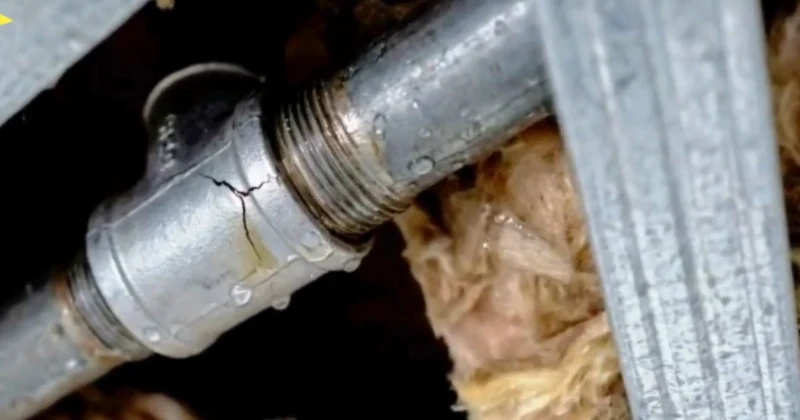
- Receipts for hotel nights, meals out, fans, extension cords or anything you bought because of the damage. Policies often reimburse these out-of-pocket costs, but only with a receipt.
- Your claim number and adjuster's name, written at the top of your notes file.
- A short log of every call with your insurer: date, who you spoke with and what was said.
- Written estimates and any approvals for extra work, saved as soon as you get them.
Special situations
If you rent
Photograph your own belongings carefully, because those fall under your renter's policy, not the landlord's. Tell your landlord or property manager in writing the same day, and keep a copy of that message with your photos. The building itself is theirs to document and insure.
If you live in a condo or townhome
Water often crosses unit lines. Photograph where it entered your unit, note which unit is above or beside you, and let your HOA or property manager know right away. Your HOA's master policy and your own policy may each cover part of the loss, so clear records help sort out who pays for what.
If the water is sewage
Take your photos from a dry spot without walking through the water. Keep children and pets away, skip touching belongings that sat in it, and let the crew handle removal with protective gear. Photos of the backup point, such as a floor drain or toilet, are especially useful because sewer backup coverage is often a separate endorsement.
Water damage photo checklist questions
Should I call my insurance company or a restoration crew first?
If water is still coming in, stop it first. Then it is usually fine to get drying started and report the claim the same day. Waiting on an adjuster before drying begins can let damage spread. Your policy has the final word, so check its notice requirements.
Can I throw out ruined carpet and furniture?
Not until it has been photographed in place and your adjuster has had a chance to see it or approve disposal. If something has to go for safety, such as sewage-soaked carpet, keep a cut sample and photograph the rest first.
Do I really need a video?
It isn't required, but a slow walk-through video with the date spoken aloud shows the full picture in a way single photos can't. It takes two minutes and is worth doing.
Photos done? Get the drying started.
Extraction and drying, any hour of any day. One call gets a crew moving.