Free tool
Boulder Flood Risk by ZIP Code
Boulder flood risk by ZIP code is not uniform. Each ZIP sits on a different drainage system with its own history. Pick your ZIP below to see your main risks, FEMA status and the calls we get most often there.
Find your ZIP code
Tap your ZIP to jump to its risk profile.
80301: Gunbarrel, Heatherwood and Twin Lakes
Landmarks: Diagonal Highway corridor.
Primary drainage: Lefthand Creek to the north, plus the irrigation ditches and canals that cross the area.
Main risk: Slow-rise water rather than flash flooding: irrigation ditch and canal seepage, agricultural runoff and wet crawl spaces after spring snowmelt. Condos and townhomes also see leaks travel from one unit to the next.
FEMA status: Portions are in Zone X (moderate to low risk).
Most common calls: Appliance leaks, slow basement seepage and irrigation line failures.
80302: Downtown, Mapleton Hill, Whittier, University Hill and Chautauqua
Landmarks: Pearl Street, CU Boulder and the Flatirons.
Primary drainage: Boulder Creek through the center of town, and Gregory Canyon Creek starting above Chautauqua.
Main risk: Canyon flash flooding and steep-lot drainage that sends storm water straight toward basements and crawl spaces. Many homes here are pre-1940, with older foundations and lath-and-plaster walls.
FEMA status: Zone AE properties along the Boulder Creek and Gregory Canyon Creek corridors.
Most common calls: Basement flooding after canyon storms and water entering through foundation walls on sloped lots.
80303: East Boulder and Frasier Meadows
Landmarks: Foothills Parkway and South Boulder Road.
Primary drainage: South Boulder Creek.
Main risk: This is one of Boulder's highest-risk areas. About 1,100 homes along South Boulder Creek sit in the mapped 100-year floodplain, and the City's flood mitigation project here is its top priority. In the 2013 flood, homeowners in the South Boulder Creek floodplain paid an estimated $10 million out of pocket.
FEMA status: Zone AE applies to many parcels, the largest residential concentration in the city.
Most common calls: Basement flooding, foundation seepage and overflow from South Boulder Creek during big storms.
80304: North Boulder, Newlands and Wonderland Hills
Landmarks: the Broadway corridor and Wonderland Lake.
Primary drainage: Fourmile Canyon Creek and Wonderland Creek.
Main risk: Flash flooding off the foothills. Fourmile Canyon Creek has an anticipated 100-year flow of 3,520 cfs where it crosses Broadway. Older storm drains around Newlands can back up into streets and yards, and many homes have older foundations.
FEMA status: A mix of Zone X and Zone AE, depending on how close a property sits to Fourmile Canyon Creek or Wonderland Creek.
Most common calls: Foundation wall seepage, street flooding that backs up into yards and older pipe failures.
80305: Table Mesa, Martin Acres, Tantra Park, Shanahan Ridge and Bear Creek
Landmarks: Table Mesa Drive and the foothills edge of South Boulder.
Primary drainage: Bear Canyon Creek and foothills runoff.
Main risk: Foothills runoff during monsoon storms and snowmelt. Older homes with lath-and-plaster walls absorb water deeply and need specialty drying, and crawl spaces on foothills lots are at particular risk during freeze-thaw cycles from November through March. Many basements here also took on sewage during the 2013 flood.
FEMA status: Mostly Zone X, with some Zone AE parcels near Bear Canyon Creek.
Most common calls: Crawl space flooding, freeze-thaw pipe bursts and storm runoff into basements.
Flood maps change. The City of Boulder is actively updating its floodplain through the South Boulder Creek Flood Mitigation Project and Fourmile Canyon Creek improvements (City of Boulder, July 2025). Your current FEMA zone may differ from older maps. Check your exact address on FEMA's Flood Map Service Center or the City of Boulder's Floodplain Information Map, and a crew assessment confirms your actual risk on site.
Any ZIP, any time: call (303) 479-3055. We serve all five Boulder ZIP codes, 24/7, with no after-hours charge.
What FEMA flood zones mean
- Zone AE: a high-risk area with at least a 1% chance of flooding in any given year, the so-called 100-year floodplain. If you have a federally backed mortgage on a home here, flood insurance is required.
- Zone X (shaded): moderate risk, roughly a 0.2% yearly chance, often called the 500-year floodplain. Flood insurance is optional but often affordable.
- Zone X (unshaded): minimal mapped risk. That does not mean no risk, especially in Boulder.
Outside the floodplain is not the same as safe
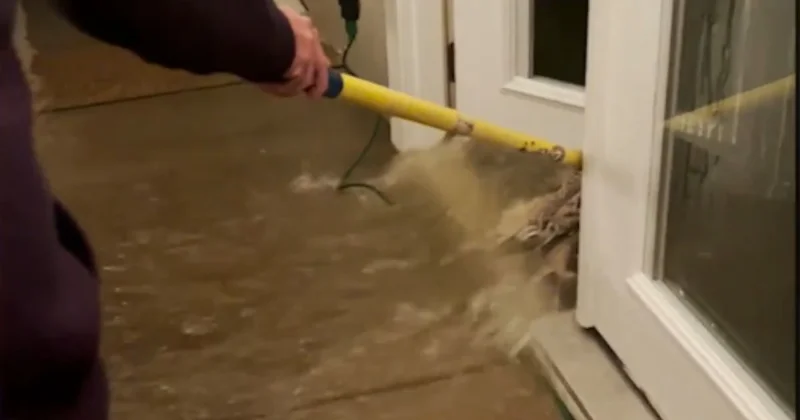
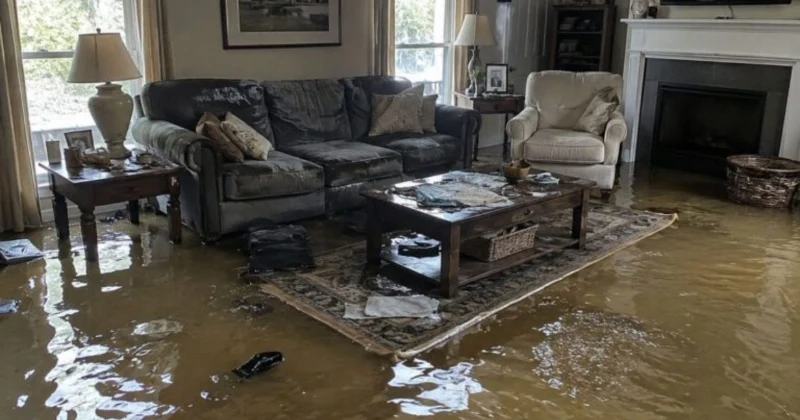
FEMA reports that more than 25% of flood insurance claims come from outside high-risk flood zones. In Boulder, the reasons are local: foothills storms can drop heavy rain on one neighborhood while the next stays dry, groundwater rises after big snow years, and sewer lines can back up into basements during intense storms. Standard homeowners policies usually exclude outside flooding, and sewer backup often needs its own endorsement.
Lower your risk in any ZIP
- Look up your address on the FEMA and City of Boulder flood maps, and save a screenshot with the date.
- Ask your insurance agent about flood coverage and a water backup endorsement. New flood policies often have a waiting period, so don't wait for a forecast.
- Keep gutters clear and extend downspouts several feet from the foundation.
- Test your sump pump before spring, and consider a battery backup and a high-water alarm.
- Fit window well covers if your basement windows sit below grade.
- Move valuables and important papers off basement floors and into waterproof bins.
Boulder flood risk by ZIP code: common questions
Which Boulder ZIP code has the highest flood risk?
Areas along South Boulder Creek in 80303 carry the largest concentration of homes in the regulatory floodplain. Creek corridors in 80302 and 80304 also carry real flash flood risk, especially below the canyons.
How do I find my exact flood zone?
Search your address on FEMA's Flood Map Service Center or the City of Boulder's Floodplain Information Map. Zone boundaries can cut through a single block, so check your own address, not just your ZIP.
Does my ZIP code change how fast you respond?
No. Response is identical across 80301 to 80305, day or night, weekday or holiday.
Flooding in your Boulder ZIP right now?
All five ZIP codes, every hour of the day. Call and a crew is dispatched.