Free tool
DIY vs Professional Water Damage Cleanup: Which Do You Need?
Not every spill needs a restoration crew. Answer five yes or no questions to see whether DIY vs professional water damage cleanup makes more sense for your situation.
Should I call a professional?
A general guide only. When in doubt, call and ask.
DIY vs professional water damage: what your answer means
If you answered no to all five questions, the water is clean, the spill is small and it hasn't had time to soak deep. That is usually a DIY job. One yes is enough to change the picture, because each question points to a risk that household fans and towels can't handle: contamination, hidden moisture, too much water, too much time, or a safety hazard.
When DIY is a sensible choice
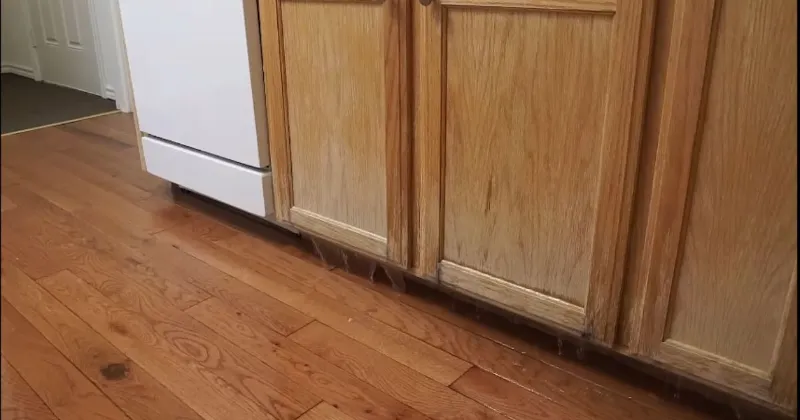
A cup of water from an overflowing sink, a small drip under the dishwasher caught early, or a spill on tile or sealed vinyl are good examples. If you go this route:
- Stop the source and wipe or vacuum up standing water with a wet-dry vac.
- Lift area rugs and move furniture off the wet floor. Put foil or blocks under legs that must stay.
- Run fans across the floor and a household dehumidifier with doors closed so it isn't drying the whole house.
- Pull baseboards back slightly if the water reached the wall, so air can get behind them.
- Check the area daily for three days. Look for stains spreading, edges of flooring lifting, or a damp smell.
When it is time for a professional
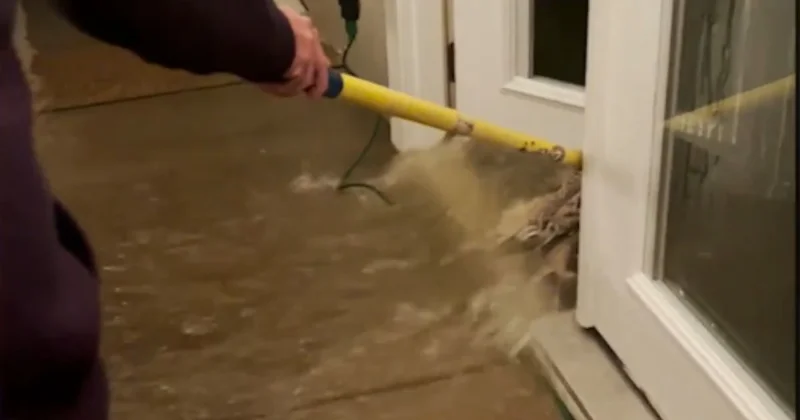
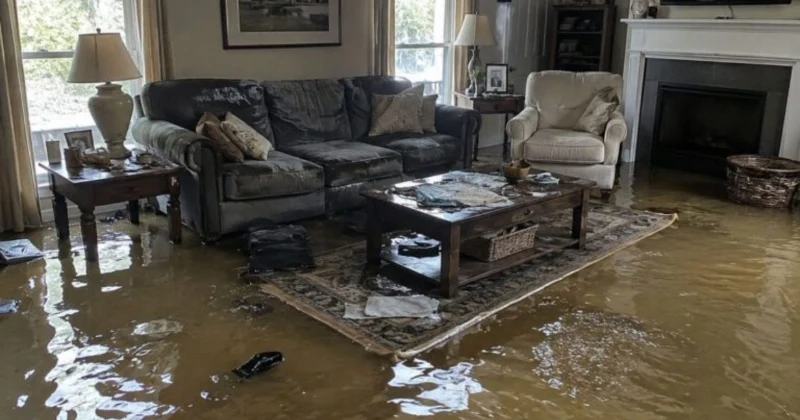
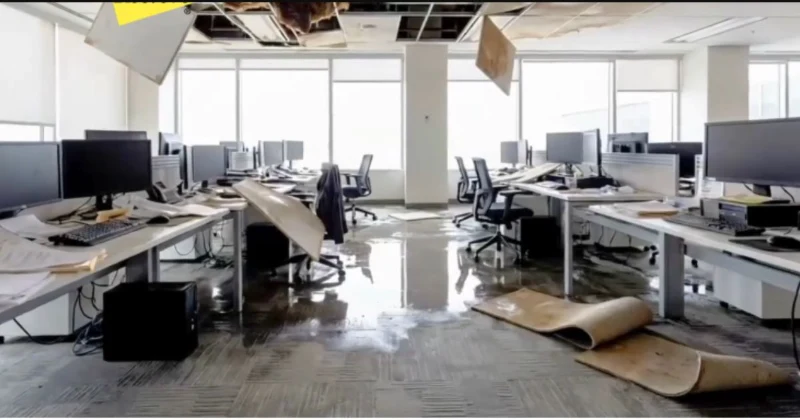
Call for help when water is contaminated, when it has gone into anything porous, or when the wet area is larger than a small corner. Ceilings that sag or stain, carpet pad that squishes underfoot, and drywall that feels soft near the floor all mean water got further than you can see. Sewage and outdoor floodwater should never be cleaned up without protective gear and disinfection.
What can go wrong with DIY on a bigger leak
- Wicking: drywall pulls water up from a wet floor, sometimes a foot or more, out of sight behind paint.
- Swelling: particleboard subfloors and laminate absorb water and can cup or swell for good if they stay wet.
- Lingering odor: carpet pad that never fully dries starts to smell, and the smell returns every time humidity rises.
- Mold risk: growth can start within 24 to 48 hours in materials that stay damp.
- A thin paper trail: without dated readings and photos, it is harder to show an adjuster what happened and when.
What a professional crew brings
Rental fans and a box-store dehumidifier move far less air and pull far less water than commercial equipment. A certified crew maps the wet area with moisture meters and thermal imaging, extracts water from carpet and pad, sets air movers and dehumidifiers sized to the room, and checks readings every day until each material reaches its dry standard. You get the readings in a drying log, along with dated photos.
Quick calls on common situations
- The tub overflowed onto a tile floor and nothing came through the ceiling below: usually DIY. If a stain shows up on the ceiling underneath over the next day, call.
- The water heater is dripping into its pan: DIY for the water, plus a plumber for the heater.
- The washing machine hose split while nobody was home: call. The volume is high and it has likely run under walls and flooring.
- A fridge line leaked under hardwood: call. Hardwood hides water underneath and needs specialty drying to avoid cupping.
- A summer storm filled a window well and water seeped onto basement carpet: call. Outdoor water is treated as contaminated and the pad is almost always soaked.
- A frozen pipe burst inside a wall: call. The wall cavity and insulation are wet even where the paint looks fine.
What it costs to find out
Calling costs nothing. The technician puts the price in writing, line by line, before anything is touched, and nothing beyond it happens without your signature. If it turns out to be a DIY job, you will be told that too.
DIY vs professional FAQ
Can I just use fans and a dehumidifier?
For a small, clean spill on a hard surface, yes. For wet carpet pad, drywall or anything below the floor, household units usually can't dry it fast enough to prevent damage.
How long should I wait before calling?
Don't wait out a large or dirty leak. If a small spill is not clearly drying after a day, call and ask.
Is it safe to clean up a toilet overflow myself?
If it is only clean water from the tank, usually yes. If waste is involved, treat it as contaminated and call for help.
Answered yes to any question?
Call now. A certified crew is on the way within the hour, nights and weekends included.