
Flooded Basement Water Removal in Boulder, CO
Basement water removal in Boulder starts with one call: (303) 479-3055. A flooded basement can happen fast: spring snowmelt pushing groundwater against the foundation, a sump pump that quit during a storm, a supply line that burst while you were at work. When you find water in your basement, the clock is already running. Call (303) 479-3055 now. Someone picks up around the clock and will confirm an exact arrival window before you hang up.
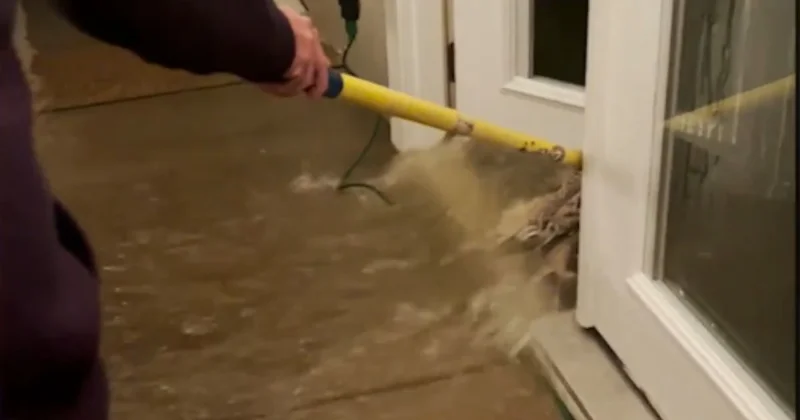
Water in Your Boulder Basement? Do These First Steps Now
- Do not enter standing water if the electrical panel, outlets, or appliances could be in contact with it. Shut the breaker to that area first, or call an electrician before entering.
- Find where the water is coming from. If it is a burst pipe or supply line, shut the main water valve. If it is coming in through the floor or walls during a storm, that is groundwater, so shutting a valve will not stop it.
- Avoid draining a flooded basement too quickly when the surrounding soil is still waterlogged. When the soil is waterlogged, rapid pumping can put stress on basement walls by removing the internal water pressure while the external pressure remains high. Emergency agencies advise pumping slowly (about one-third per day) until the ground outside begins to dry. We will advise on the right pace when we assess the job.
- Move items off the floor if you can do so safely. Furniture, boxes, and stored belongings absorb water quickly and become much harder to save once they have been sitting wet for hours.
- Call us at (303) 479-3055. A live person will stay on with you and tell you exactly what to do before the crew arrives.
Where Is the Water Coming From? A Boulder Basement Guide
Not all basement water is the same, and knowing the source changes who you call and what happens next. Here is a simple breakdown:
| Source | What it looks like | Who to call |
|---|---|---|
| Burst or leaking pipe | Water coming from a wall, ceiling, or under a sink; often clear and fast | Plumber to fix the pipe, us to handle the water damage |
| Groundwater seepage | Water seeping through the floor/wall joint (the cold joint), through cracks, or up through a floor drain during rain or snowmelt | Us for extraction and drying; a drainage engineer for a permanent fix |
| Window well overflow | Water pooling against or pouring through a basement window during a storm | Us for extraction; a contractor for window well drainage |
| Sewer backup | Dark water, solid matter, strong smell, coming up through a floor drain or toilet | Plumber to clear the line, us for sewage cleanup. See the sewage cleanup page |
| Sump pump failure | Basement filling from the sump pit; pump not running or overwhelmed | Plumber for the pump, us for the water damage. See the sump pump page |
The most common entry point for groundwater in Boulder basements is the cold joint, the seam where the basement floor slab meets the foundation wall. Boulder sits at the base of the Flatirons foothills, and the City has acknowledged that high groundwater is common in many parts of the city. Managing groundwater is the homeowner’s responsibility.
Why Boulder Basements Flood and Need Water Removal
April and May are Boulder’s wettest months (NOAA). Snowmelt from the Flatirons combines with spring rain to push groundwater up against foundations and into window wells across the city. Neighborhoods like Table Mesa, Wonderland Hills, and North Boulder have finished basements where carpet, drywall, and stored belongings are all at risk.
Boulder also has a documented history of water main breaks flooding basements, a risk that no competitor discusses but that affects real Boulder homeowners:
- In February 2016, a main installed in the 1960s broke at Norwood Avenue and Cress Court in North Boulder. About 20 homeowners had flooded basements, with water reaching nearly four feet in one Oak Avenue home. Restoration alone cost one homeowner about $13,000 before rebuild.
- In June 2014, an 8-inch main broke on College Avenue near Lincoln Place on University Hill. At least 30 inches of water filled basement apartments, and tenants escaped through windows.
- In February 2022, a main break near 15th and Quince warned of possible basement flooding for homes as far east as 20th Street.
If you suspect a city water main caused your basement to flood, report it to the City of Boulder immediately, photograph everything before cleanup starts, and know that claims against the City go through the City Attorney’s office. We can document everything you will need.
During the September 2013 flood, Boulder Creek reached 7.78 feet. Hundreds of basements flooded, many of them well outside the official 100-year floodplain, from groundwater, sewage, and creek overflow. In May 2014, eight months after the flood, one family near Boulder Creek was still pumping about 50 gallons per minute of groundwater from their basement. The City confirmed that homes near creeks and ditches can see elevated groundwater for months after a major event.
How We Pump Out and Dry a Boulder Basement
Basement water removal looks different for a finished basement versus an unfinished one, and for clean water versus sewage or flood water.
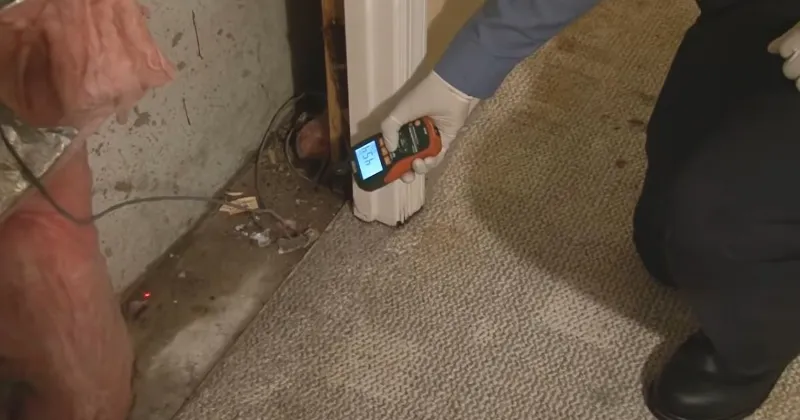
Unfinished Basement
For an unfinished basement with a concrete slab and no drywall, clean water extraction is straightforward: submersible pumps remove standing water, truck-mounted extraction equipment pulls water from low spots, and industrial air movers and dehumidifiers dry the slab and block walls. We take moisture readings at the start and at every daily check until the structure reaches dry standard.
Finished Basement
A finished basement is more complex. Water gets into carpet and pad, up into drywall, into the insulation in the walls, and under baseboards. Here is the honest breakdown of what can and cannot be saved:
- Carpet: Can sometimes be saved if the water was clean (Category 1) and the carpet is extracted and dried within a few hours. The pad almost always has to come out because it traps water and cannot be dried fast enough to prevent mold growth.
- Drywall: Clean water caught quickly can sometimes be dried with air injection into the wall cavity without cutting the drywall. If the water has been sitting, if it was contaminated, or if the readings show it wicked up high, a flood cut (removing drywall about two feet above the water line) is the right call. This lets the wall cavity dry and allows us to verify what is inside.
- Baseboards and trim: Baseboards are almost always removed because they seal the bottom of the wall and block drying airflow.
- Engineered hardwood and LVP: These can sometimes be dried if extraction starts fast and the floor was not submerged. Solid hardwood that has cupped or crowned may partially recover with controlled drying; it will not always flatten completely, and we will set honest expectations before you decide.
- Belongings: We move furniture, block it up off wet floors, and document everything before work starts. Pack-out and storage are available for major jobs.
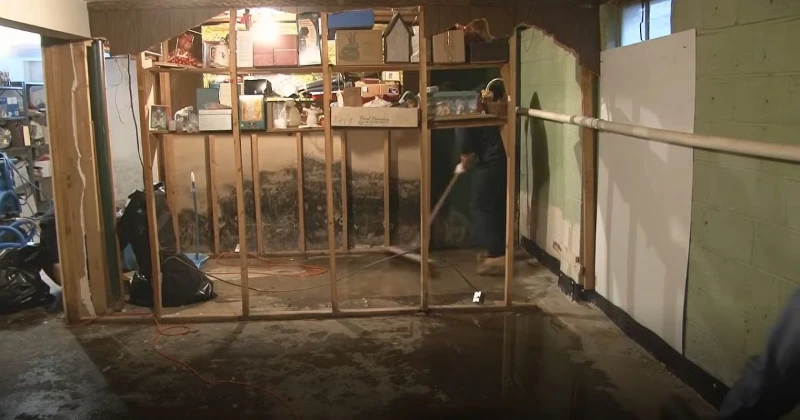
How Long Does It Take to Dry a Boulder Basement?
Basement water removal drying timelines vary by job type. A clean-water job in an unfinished basement where extraction starts quickly can reach dry standard in three to five days with the right equipment. A finished basement with wet drywall, insulation, and carpet typically takes five to seven days or more. Sewage or flood water jobs take longer because porous materials have to come out first, and there are two rounds of antimicrobial treatment before drying begins.
Boulder’s dry air helps, but it does not replace equipment. Water trapped inside walls and under flooring does not evaporate on its own at a safe rate. The EPA recommends drying wet materials within 24 to 48 hours to help prevent mold growth. That is not possible without professional equipment running around the clock.
We check the job every day, take readings, and report to you by call, text, or email. You get the drying log at the end: dated photos, daily moisture numbers, and a written scope your insurance adjuster can use.
Does Homeowners Insurance Cover a Flooded Basement?
Whether insurance covers basement water removal depends entirely on the source of the water:
- Burst pipe or supply line: Usually covered under a standard homeowners policy as sudden and accidental damage. Gradual leaks (a slow drip over months) are often excluded.
- Sewer or sump backup: Not covered by standard policies. You need a water backup endorsement added to your policy.
- Groundwater seepage: Generally excluded from standard policies as a maintenance issue.
- Flash flood or creek overflow: Requires a separate NFIP flood insurance policy. Standard homeowners policies do not cover flood. Note: flood policies have a 30-day waiting period before they take effect. You cannot buy one after a storm warning.
Tell your agent the facts: the date you found it, the source, and what you did. What you get from us: timestamped photos of every affected area, a daily moisture log and a written scope of work your adjuster can reference. You handle the claim and we give you everything they will ask for.
Keeping Your Basement Dry Going Forward
We handle the basement water removal and drying. The long-term prevention side of the equation involves:
- Grading: Soil around the foundation should slope away from the house, at least six inches of drop over the first ten feet.
- Downspouts: Extend them at least four to six feet from the foundation. Many Boulder basements flood simply because downspouts discharge right at the foundation wall.
- Window well covers: Fitted covers keep rain and snowmelt out of window wells.
- Sump pump with battery backup: Power outages during Boulder storms are real. Xcel cut power to about 55,000 people in April 2024 for wildfire risk, some for nearly three days. A sump pump without battery backup is a liability. Boulder rules require discharging sump water to grass or a vegetated swale at least 10 feet from the foundation, not onto sidewalks, alleys, or into the sanitary sewer.
Frequently Asked Questions
What do I do first when my basement floods?
Make sure the electrical panel and any outlets in the flooded area are not in contact with water before entering. Shut off the water source if it is a pipe. Move to higher ground in the house and call us at (303) 479-3055.
Can I save the carpet in my finished basement?
Carpet can sometimes be saved if the water was clean and extraction starts within a few hours. The pad almost always has to come out. We will give you an honest assessment when we see the job, not a sales pitch to remove more than necessary.
Why does my basement flood when it rains or the snow melts?
Boulder sits at the base of the Flatirons, and many parts of the city have high groundwater. When the soil becomes saturated during snowmelt or heavy spring rain, groundwater rises and pushes against foundations, through the cold joint, and sometimes up through floor drains. The City has confirmed that managing this is the homeowner’s responsibility.
What Boulder ZIPs and neighborhoods do you serve?
We serve ZIP codes 80301, 80302, 80303, 80304, and 80305, covering of Boulder including Downtown and Mapleton Hill, University Hill, North Boulder, Table Mesa, Martin Acres, East Boulder and Frasier Meadows, Wonderland Hills, Chautauqua and Newlands, and Gunbarrel and northeast Boulder. We do not serve mountain and up-canyon areas.
Call Now: 24/7, No Extra Charge After Hours
Basement water removal needs to start within hours. The first 24 to 48 hours determine whether carpet, hardwood, and drywall can be saved or have to come out. Call (303) 479-3055 now. We answer 24/7, nights and weekends, with no after-hours surcharge, and we will give you an honest arrival time on the phone.
Boulder CO Water Damage Restoration
Phone: (303) 479-3055
Email: info@bouldercowaterdamage.com