
Flood Damage Cleanup in Boulder, CO
Boulder has the highest flash flood risk in Colorado, according to the City. When storm water, creek overflow, or runoff gets into your home, it carries mud, debris, and contamination that makes it fundamentally different from a burst pipe or an appliance leak. Flood damage cleanup requires specialized equipment, Category 3 protocols, and trained technicians. Reach us at (303) 479-3055 any time of day or night, weekends and holidays included, with no after-hours surcharge.
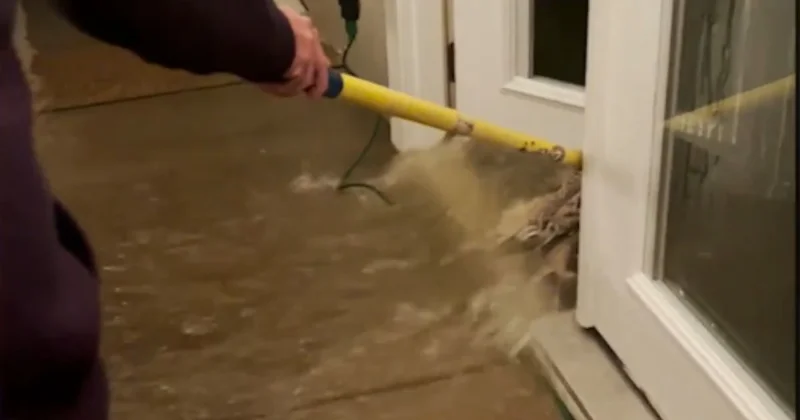
Flood Water in Your Home: Safety First
- Do not enter flooded areas with active electrical hazards. Shut the breaker to the affected area if the panel is in a dry area. If the panel is flooded or near the water, call an electrician before entering.
- Do not walk through flood water. Even shallow moving water can knock a person down. Flood water from creeks and storm drains carries bacteria, sewage, chemical runoff, and sharp debris.
- Shut off gas if you smell it. Leave immediately and call the gas company.
- Do not pump out a flooded basement all at once if the ground outside is still saturated. Emergency agencies advise pumping about one-third per day when soil is waterlogged, to avoid stressing the foundation walls. We will advise on the right pace when we assess.
Why Flood Water Is Different From a Burst Pipe
The water that comes from a supply line inside your home starts as Category 1, which is clean, potable water. Flood water from outside is Category 3 from the moment it enters your home. The IICRC S500 standard classifies outside flood water, storm water, and groundwater that enters through floor drains or foundation cracks as Category 3: the highest contamination category, containing bacteria, viruses, chemical contaminants, and sewage organisms.
This matters because Category 3 water cannot be dried in place. Every porous material it touches, including carpet, pad, drywall, insulation, and wood framing below the flood line, has to come out. You cannot sanitize a soaked drywall panel or a carpet pad. The contamination is in the material, not on the surface. This is why flood damage cleanup is more involved than a burst pipe job.
Flood water also brings mud, silt, and debris that add to the cleanup scope and can clog drains and sump pits if not removed properly.
Boulder’s Flood Risk: The Local Story
Boulder Creek and its 14 tributaries run through the city. South Boulder Creek, Goose Creek, Wonderland Creek, Fourmile Canyon Creek, Gregory Canyon Creek, and Bear Canyon Creek all pass through or near residential neighborhoods. The City calls Boulder the highest flash flood risk in Colorado.
The September 2013 flood is Boulder’s reference event. Based on City and County reports, more than eight inches of rain fell on September 12. Boulder Creek reached about 7.78 feet. South Boulder Creek flooded hundreds of homes in East Boulder and Frasier Meadows. A resident near Table Mesa woke up to about two and a half feet of sewage in their basement. Based on historical data, roughly 15 percent of Boulder city households were damaged, and most of them were well outside the official 100-year floodplain. The damage came primarily from groundwater and sewage backups pushed by the flood. Nearly a third of all flood-damaged households in Colorado that year were in Boulder County.
At the time, pumps were sold out at stores across Boulder and Broomfield. Families were bailing basements with standing water by hand. Calling a cleanup crew early, before the demand spike, matters in a major event.
Active City flood projects as of fall 2026:
- South Boulder Creek: Construction began in fall 2026 on the CU South site. The project will take three to five years and protect about 2,300 residents and 260 structures, plus US-36 and Foothills Parkway. It includes an earthen flood detention dam and a groundwater management system.
- Gregory Canyon Creek: Construction set for fall 2026.
- Upper Goose and Two-Mile Canyon Creek: In design phase.
These projects will reduce flood risk in several neighborhoods over time, but flood damage to Boulder homes remains a real risk during storm season, which runs from May through September. May is typically the wettest month based on NOAA data. Boulder Creek usually runs highest in May or June from snowmelt and spring rain, and creek path underpasses sometimes close during peak flow.
Our Flood Damage Cleanup Process
Before any work begins, you get a written breakdown of every line item. Nothing moves forward without your sign-off. If the scope expands during the job, we get your written approval before doing any additional work.
Step 1: Mud and Debris Removal
Flash flood water carries mud and silt that settles into floor cracks, drains, and low spots. This has to come out before extraction equipment can work effectively. We shovel and remove mud and debris manually before bringing in pumps and extraction equipment.
Step 2: Water Extraction
Submersible pumps remove standing water. Truck-mounted extraction equipment pulls water from floors, carpet, and low spots. Wet pad and carpet are removed because Category 3 water makes them unsalvageable. For larger jobs, our emergency water removal team can deploy multiple extraction units at the same time.
Step 3: Flood Cut and Material Removal
Drywall is cut approximately two feet above the visible water line. This is not aggressive demolition. It is the standard approach for flood water jobs because water wicks up drywall and insulation higher than the visible line, and the wall cavity needs to be open to dry. Drywall cut out of a Category 3 job cannot be dried and re-used. We photograph everything before removal and get your written approval before expanding scope beyond the initial assessment.
Step 4: Sanitizing
All remaining hard surfaces, including concrete, block, and wood framing, are cleaned and treated with an EPA-registered antimicrobial. Flood water jobs get two rounds of antimicrobial treatment, with a drying cycle between them. This step is critical because the bacteria and pathogens in Category 3 water survive on surfaces long after the water itself is gone.
Step 5: Drying and Verification
Industrial air movers and LGR dehumidifiers run until all structural materials reach dry standard on moisture meters. Our technicians document moisture levels at every check-in and maintain a detailed drying journal. You receive the drying log with timestamped photos, moisture readings, and a written scope of work for your insurance adjuster. For more detail on the water mitigation and drying process, see our dedicated page.
Is My Boulder Home in a Floodplain?
The City of Boulder has a Floodplain Information Map that lets you look up any address. The City’s Boulder Revised Code (9-3-3) prohibits subterranean structures inside the 100-year floodplain. But as 2013 showed, being outside the official floodplain does not mean your home is safe from flooding. Most of the homes damaged that year were outside it. Groundwater and creek overflow do not follow floodplain boundaries.
FEMA’s FloodSmart.gov also allows floodplain lookups and provides information on flood insurance options.
Insurance: Homeowners vs Flood Policy
Standard homeowners insurance policies in Colorado typically do not cover flood damage from outside water sources. This is one of the most common and painful surprises after a Boulder flood event. To be covered for creek or storm flood damage, you generally need a separate National Flood Insurance Program (NFIP) policy. Coverage varies from one policy to the next. Check your declarations page or ask your agent to walk you through what qualifies and what does not.
Critical NFIP rule: there is a 30-day waiting period before a new flood policy takes effect. You cannot buy it after a storm warning is issued and expect it to cover that storm. Residents who bought flood insurance after receiving a City postcard about flood risk, and before the 2013 event, were the ones covered.
What to do: give your agent a clear timeline: when you discovered the damage, what steps you took, and which rooms were affected. We provide timestamped photos, written moisture logs, and a complete scope of work that your adjuster can reference.
What to Expect After Flood Damage Cleanup
Once the cleanup and drying are complete, your home will look stripped down. Drywall will be cut away below the flood line. Insulation will be removed. Flooring may be gone. This is normal and necessary. The alternative, leaving contaminated materials in place, leads to health problems and structural issues that cost far more to fix later.
The rebuild phase, replacing drywall, flooring, trim, and insulation, is a separate trade and a separate timeline. We handle the cleanup, extraction, sanitizing, and drying. Your contractor handles the rebuild. We can work with your contractor to make sure the handoff is clean and everything is documented.
Plan for the rebuild to take longer than you expect. After a major flood event, contractors in Boulder are in high demand and material lead times stretch. Keep all documentation from the cleanup phase, including photos, moisture logs, and the written scope of work. Your insurance adjuster and rebuild contractor will both need them. If standing water was present for more than 24 hours, have a licensed electrician inspect all outlets, switches, and wiring below the flood line before reconstruction begins.
Water-damaged electrical components are a fire risk that is easy to overlook during reconstruction. Appliances that were submerged, including furnaces, water heaters, washers, and dryers, should be evaluated by a qualified technician before you use them again. The most commonly overlooked item is ductwork. Flood water that reaches your HVAC system leaves contamination inside the ducts that recirculates through the house when you turn the system back on.
How to Get Ready Before the Next Storm
- Sign up for BoCo911Alert.com, Boulder County’s emergency alert system. Flash flood warnings come through this system. The city tests sirens at 10 a.m. and 7 p.m. on the first Monday of each month, April through September.
- Know your flood risk: Look up your address on the City’s Floodplain Information Map. Know which creek is nearest to your property.
- Check flood insurance timing: If you are in or near a floodplain and do not have an NFIP policy, the 30-day waiting period means you need to act before storm season starts.
- Maintain your sump pump: Test it, check the battery backup, and know where the discharge line goes. Sump pump discharge to the sanitary sewer is prohibited by City Code. If your sump pump fails during a storm, the damage can be extensive.
Frequently Asked Questions
Is flood water dangerous to clean up myself?
Yes. Outside flood water is Category 3 and carries bacteria, viruses, sewage organisms, and chemical contaminants. Personal protective equipment including gloves, boots, and a respirator is required for safe handling. Porous materials that absorbed it cannot be safely dried and kept. DIY cleanup of a significant flood event without professional equipment and disinfection creates serious health risks.
How long does flood damage cleanup take?
Extraction and initial debris removal can happen in a day. Drying the structural materials typically takes five to seven days or more after the flood water is out. The rebuild that comes after drying, replacing drywall, flooring, and trim, is a separate trade and separate timeline.
Does homeowners insurance cover flood damage?
In most cases, no. Standard homeowners policies in Colorado typically exclude flood damage from outside water sources. You generally need a separate NFIP flood policy. Every policy is different, so talk to your agent about what your plan covers.
What is a flood cut and why is it necessary?
A flood cut means removing drywall approximately two feet above the visible water line. Water wicks up through drywall and insulation higher than you can see. Removing it exposes the wall cavity so it can be sanitized and dried properly. Leaving contaminated drywall in place risks mold growth and ongoing health issues.
Which Boulder ZIP codes and neighborhoods do you cover?
We cover Boulder ZIPs 80301 through 80305. That includes Table Mesa, Martin Acres, University Hill, North Boulder, Wonderland Hills, East Boulder, Frasier Meadows, Gunbarrel, Newlands, Chautauqua, Downtown, and the Mapleton Hill area. We do not serve mountain or up-canyon locations.
Call Now for Flood Damage Cleanup
When storm water gets into your Boulder home, reach our crew at (303) 479-3055. We pick up around the clock, every day of the year, with no after-hours fee. The restoration process starts with the call, and every hour counts.