
Crawl Space Water Removal in Boulder, CO
Standing water under your Boulder home is not just a nuisance. It is a structural threat. Wet wood framing, saturated insulation, and trapped humidity create conditions for wood rot, pest infestation, and elevated moisture in the living space above. We provide crawl space water removal around the clock with emergency water removal crews on-site within 60 minutes. No after-hours charge. Call (303) 479-3055 now for a free estimate.
Why Crawl Space Water Removal Matters in Boulder
Boulder homes with crawl spaces face a specific set of risks that homes on slabs or with full basements do not. The Front Range water table sits higher than most homeowners expect, especially in neighborhoods close to Boulder Creek, Fourmile Canyon Creek, and the low-lying areas of East Boulder. During wet years or after snowmelt, groundwater can rise into a crawl space even without a surface-level water event.
Boulder’s older housing stock, including ranch homes in Table Mesa, mid-century bungalows in Mapleton Hill, and 1950s and 1960s construction in Martin Acres, may still have original crawl space vapor barriers that have degraded, torn, or were never installed to full coverage. That means moisture from the soil enters the crawl space consistently, year after year, until it shows up as a floor that feels soft, a musty smell in the living room, or a joist that has begun to rot.
Unlike a basement where water is visible and the space is accessible, crawl space water damage stays hidden. Homeowners may not discover the problem until structural symptoms appear upstairs. By that point, the framing has been wet long enough to cause real damage. Fast crawl space water removal prevents a hidden moisture event from becoming a major structural repair.
Common Causes of Crawl Space Water Damage in Boulder
Groundwater Intrusion
High groundwater during Boulder’s spring snowmelt and summer storm season pushes water up through the soil into unprotected crawl spaces. This is not a one-time event. It may recur each spring, depending on groundwater conditions and drainage, until the crawl space is properly encapsulated and drained. We extract standing water and dry the space. We also document the event and extent so a waterproofing contractor has a clear baseline for follow-up work.
Plumbing Leak Under the Floor
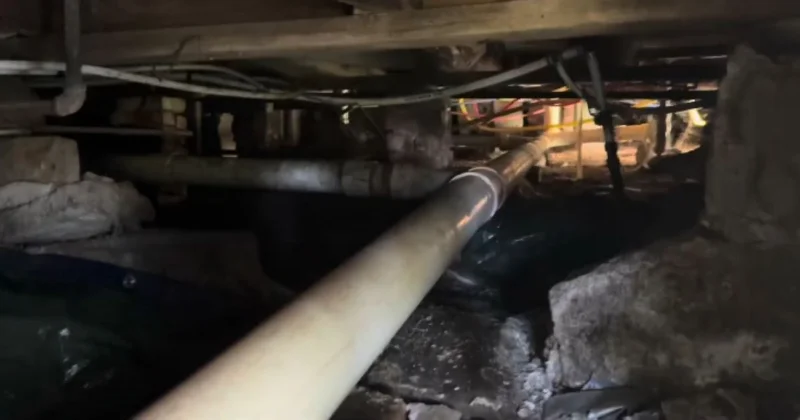
Supply lines, drain lines, and water heater connections run through crawl spaces. A slow leak under the floor may drip for weeks before it accumulates enough to notice. By the time the homeowner discovers the water, the subfloor above the leak and the joists surrounding it have absorbed significant moisture. A plumber fixes the leak. We handle the water mitigation and drying left behind.
Burst or Frozen Pipes in the Crawl Space
Crawl spaces in Boulder are vulnerable to frozen and burst pipes during cold snaps, especially in homes where the crawl space has inadequate insulation and no heat source. Boulder’s December 2022 cold snap highlighted the risk of frozen pipes in crawl spaces. When pipes freeze and burst, water can collect beneath the home, damaging insulation, floor joists, and subfloor materials. Prompt water extraction and structural drying can help limit further damage.
Condensation and Vapor Accumulation
Even without a discrete water event, a crawl space with inadequate vapor control accumulates moisture from soil evaporation. That moisture raises the relative humidity in the crawl space, saturates wood framing and insulation over time, and eventually migrates upward into the living space. We document the extent of moisture damage and dry the space to baseline. We recommend encapsulation as a next step to prevent recurrence.
Downspout and Grading Failure
When downspouts discharge near the foundation or when grading directs surface water toward the house rather than away from it, every rain event pushes water toward the crawl space. This is especially common in Boulder’s older neighborhoods where foundation plantings have changed the original grade over decades. After extraction and drying, we note the apparent entry path so the homeowner can address grading or drainage separately.
Our Crawl Space Drying Process
Step 1: Entry and Assessment
Crawl space work requires access, and many Boulder crawl spaces are low, tight, or obstructed with HVAC ducts, plumbing, and older insulation. We assess access conditions on arrival, determine the extent of standing water and moisture, and photograph the crawl space from every accessible angle before beginning work. Our water damage inspection uses thermal imaging to identify moisture behind surfaces and inside framing that is not visible to the naked eye.
Step 2: Standing Water Extraction
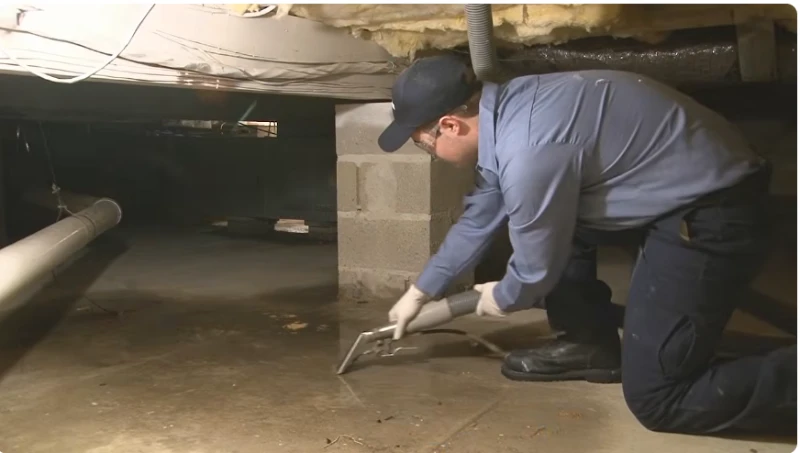
We use submersible pumps and portable wet-vacuums rated for confined-space work to extract standing water from the crawl space. This work is done systematically, from the deepest point to the edges, to prevent water from being pushed into areas that were initially dry. In crawl spaces with limited clearance, we use low-profile extraction equipment designed for tight clearances. Every gallon of standing water that stays in the space raises the humidity level for the wood framing above it, so extraction speed matters. We pump water out of the crawl space and off the property, not just to a sump or exterior grade where it can return.
Step 3: Written Estimate Before Work Begins
Before any restoration work starts, you receive a written, itemized estimate covering the full scope. No surprises. If the scope changes during the job, we get written approval before doing any additional work. This protects you and gives your insurer a clear record from the start.
Step 4: Structural Material Moisture Assessment
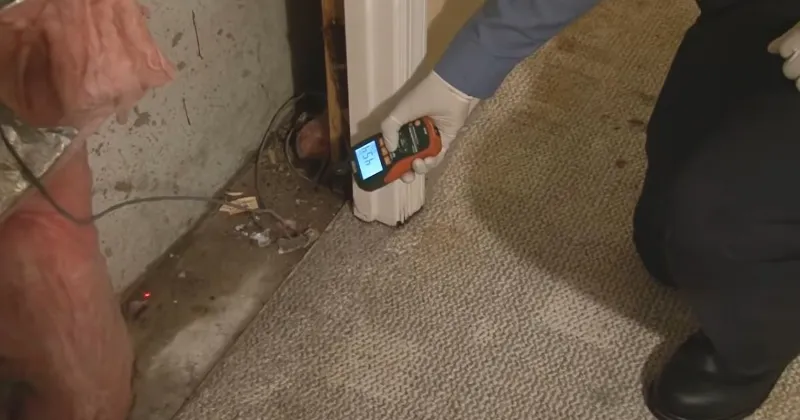
After extraction, we check the moisture content of wood framing: floor joists, rim joists, beam ends, and subfloor panels. We use pin-type moisture meters on bare wood and compare readings to the dry reference for that wood species and dimension. We document every reading, its location, and its comparison to reference. This baseline drives the entire drying plan.
Step 5: Drying Equipment Placement
We place commercial dehumidifiers and air movers rated for crawl space environments. These are compact units that fit in low-clearance spaces and move air across joist bays and subfloor surfaces. Equipment placement accounts for the crawl space’s specific geometry. Air movers are positioned to pull humid air from dead zones and move it past the dehumidifier. Our full drying process follows IICRC S500 guidelines for structural drying.
Step 6: Daily Monitoring with Dated Photos
Crawl space drying is monitored daily. We record moisture readings at the same documented points each day, record relative humidity at the dehumidifier, and compare progress to baseline. You receive daily updates with dated, time-stamped photos so you know exactly where drying stands. We adjust equipment as readings improve to accelerate the final stages. When readings reach acceptable levels across all documented points, drying is complete.
Step 7: Documentation Package
You receive dated photos of the crawl space at discovery, moisture readings per location per day, the final dry-out readings confirming all materials are at acceptable moisture levels, and a written scope describing what was affected and what was done. This documentation can help your insurance adjuster evaluate the claim and gives a home inspector useful context if you sell the property.
Do not wait to see if a wet crawl space dries on its own. Call (303) 479-3055 now. We are on-site within 60 minutes, around the clock, with no after-hours charge. Every job starts with a written, itemized estimate before any work begins.
What to Do Before the Crew Arrives
If you can see standing water through the crawl space access hatch, do not enter the space. Crawl spaces with standing water may have electrical hazards from junction boxes, wiring, or equipment sitting in water. Stay clear of the access opening and keep children and pets away. If water is actively flowing from a visible pipe, shut off the main water supply if you can do so safely. Take photos from the access opening with your phone for your own records. Clear a path from the access hatch to the nearest exterior door so the crew can move equipment in quickly. Do not attempt to use a shop vacuum or household fan in a confined crawl space with standing water.
After Drying: What Comes Next
Water removal and drying address the acute event. The crawl space that allowed water in once will likely see it again without structural changes. After we dry the space, common next steps include:
- Vapor barrier replacement or installation. A full-coverage vapor barrier across the crawl space floor stops soil moisture from entering the air space.
- Crawl space encapsulation. A more complete solution that lines the floor and walls with a continuous barrier, turning a vented crawl space into a sealed conditioned space.
- Drainage correction. Grading the soil away from the foundation, extending downspouts, or installing a French drain to redirect groundwater away from the crawl space perimeter.
- Structural assessment. If joists or rim boards show signs of rot or insect damage consistent with long-term moisture exposure, a structural contractor should assess the extent before repair work.
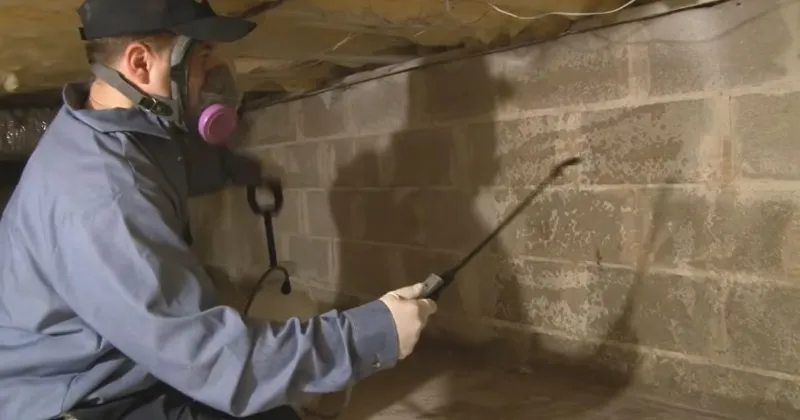
- Mold assessment. If the crawl space was wet for more than 48 hours before drying began, or if visible growth is present on wood framing, a mold assessment determines whether remediation is needed before encapsulation or repair.
We do not perform structural repairs, encapsulation, or landscaping. Those are contractor work. We document the crawl space condition accurately so you have what you need to make informed decisions about those next steps.
Crawl Space Water Removal Questions
How do I know if my crawl space has water damage?
Signs include a musty or earthy smell in lower rooms, floors that feel soft or bounce slightly underfoot, visible staining or efflorescence on foundation walls, pest activity (insects favor moist wood), and visible water or wet soil when you look through the access hatch. Any of these is worth a closer look with moisture meters.
Can I just let a crawl space dry on its own?
Not reliably. A vented crawl space in Colorado summer conditions will eventually dry surface water, but wood framing that absorbed moisture above 19% (the threshold the American Softwood Lumber Standard defines as dry) will not return to safe moisture levels from ventilation alone on a reasonable timeline. Structural wood that stays wet for extended periods is at risk for decay fungi. Active drying with dehumidifiers and air movers gets framing and subfloor back to dry levels in days rather than weeks or months.
Does homeowners insurance cover crawl space water damage?
Every policy is different. Sudden events like a burst pipe or water heater failure are typically covered. Gradual moisture accumulation from deferred maintenance or a vapor barrier that failed years ago is typically not. We provide dated photos, daily moisture readings, and a written job scope your adjuster can review when evaluating the event. We do not negotiate coverage on your behalf. Review your policy declarations or contact your agent to clarify what is covered.
How long does crawl space drying take?
Most crawl space drying jobs take 3 to 5 days with professional equipment running continuously. Factors that extend drying time include the amount of standing water at discovery, how long the crawl space was wet before we arrived, the type of insulation present (fiberglass batt insulation holds water and often needs removal), and the clearance available for equipment placement. We monitor daily and give you an honest projection based on actual moisture readings, not a guess.
Do you offer free estimates for crawl space water removal?
Yes. We provide free on-site estimates for any crawl space water event in Boulder. Our IICRC-certified technicians assess the full extent of damage, document the affected areas, and give you a written scope before any work starts. Call (303) 479-3055 to schedule.
24/7 Crawl Space Water Response. Call Now
Crawl space water removal cannot wait for business hours. Water under your home is actively damaging your floor framing right now. Call (303) 479-3055 at any hour and we will dispatch immediately. IICRC-certified crew on-site within 60 minutes anywhere in Boulder. Free estimate. No after-hours charge.
Boulder CO Water Damage Restoration
Phone: (303) 479-3055
Email: info@bouldercowaterdamage.com