
Burst & Frozen Pipe Water Damage in Boulder, CO
Burst pipe water damage can go from a hidden drip to a soaked ceiling in minutes. In Boulder, pipes most often burst during cold snaps, January normal lows run 17 to 23°F, with temperature swings that can drop from 60°F in the afternoon to below freezing by midnight. The first thing to do when a pipe bursts: shut the main water valve, then call (303) 479-3055. We answer 24/7. We are on-site within 60 minutes.
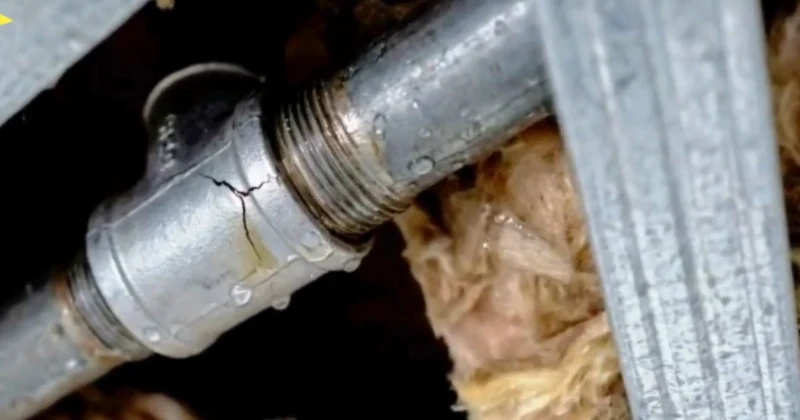
Pipe Burst? Shut Off the Water First
Every second the water is running, it is spreading further. The main shutoff valve in most Boulder homes is one of these locations:
- Near the water meter, typically in a utility closet, the basement, or the crawl space
- On the exterior of the house near the foundation (look for a metal plate at ground level)
- Under the kitchen sink in some older Boulder homes
Turn it clockwise until it stops. If you cannot find it or it will not turn, call the City of Boulder emergency water line. After the water is off, turn on a faucet to relieve remaining pressure in the lines. Then call a plumber to fix the pipe and call us at (303) 479-3055 to handle the water damage, both should happen at the same time if possible.
Plumber Fixes the Pipe, We Handle the Water
This distinction matters and causes confusion on almost every job. A plumber repairs or replaces the failed pipe. That is their job. Once the pipe is fixed, the water damage: soaked drywall, wet insulation, saturated subfloor, damaged flooring, moisture trapped inside walls, is our job. We do not repair pipes. Plumbers do not extract water and dry structures. Both trades are needed after a burst pipe.
Can we start before the pipe is fixed? In most cases, yes. We can begin extracting standing water and moving wet materials to limit further damage while the plumber works. We just need the main to be shut so water is not still running.
Hidden Damage: Inside Walls, Under Floors, in the Ceiling
The visible damage after a burst pipe is almost always less than the actual damage. Water follows the path of least resistance: down through ceiling cavities, along floor joists, inside wall framing, under subfloors, and it moves fast. By the time you see a stain on the ceiling or wet carpet on the floor below, the water has usually traveled much further.
A hot water leak can be even more destructive: steam and heat warp walls, trim, and floors even beyond the directly wet area. Field reports from burst pipe jobs describe floors warped three and four feet from the nearest water contact point.
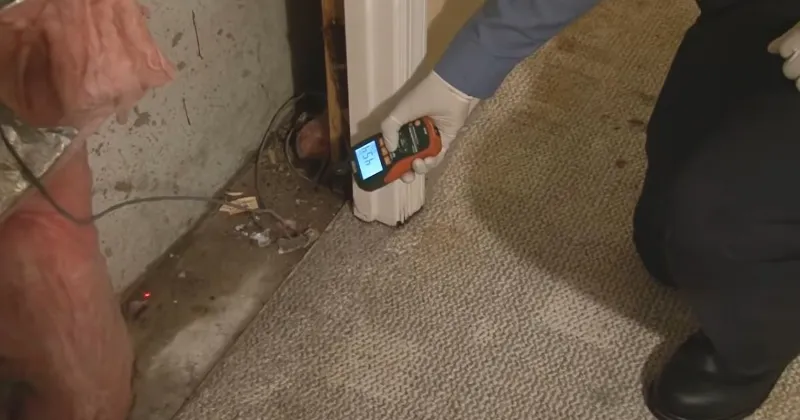
We use moisture meters and thermal imaging cameras to find wet areas that are not visible. A thermal camera shows temperature differences in walls and ceilings that suggest moisture; a moisture meter confirms how wet those materials actually are. This prevents the most common outcome of DIY dry-out attempts: the surface looks dry, walls are closed up, and mold develops inside six weeks later.
One sign that a pipe burst inside an exterior wall during winter: ice forming on the outside of the wall. Boulder residents have described seeing large icicles on the exterior of their homes that turned out to be from a water supply line leaking inside the wall cavity. If you see ice on an exterior wall during cold weather, that is worth investigating before it thaws and you discover major damage.
\n\n\n\nIf you found water from a burst pipe and are not sure how far it spread, call (303) 479-3055. We bring thermal imaging and moisture meters on every call. Free estimate.
Why Boulder Pipes Freeze
Boulder’s temperature swings are the main culprit. The risk rises sharply when temperatures stay below about 20°F, and Boulder regularly hits that range in January and February. The 2022 Christmas cold snap sent Boulder temperatures to extremes and triggered a wave of burst pipes, downtown apartment buildings had their second burst-pipe event in a month, CU buildings lost heat and had frozen pipes and coils, and outdoor fire sprinkler lines froze after a single day below freezing.
Pipes most likely to freeze in a Boulder home:
- Pipes in exterior walls, especially in older homes across North Boulder and the Mapleton Hill area, built before modern insulation standards
- Pipes in garages and crawl spaces, unheated spaces drop fast in a Boulder cold snap
- Under kitchen and bathroom sinks on exterior walls, cabinet doors kept closed block heat from reaching those pipes
- Outdoor hose bibs and irrigation lines, left connected or not properly drained before winter
- Pipes in vacant homes during travel, Boulder residents who leave for the holidays are a common claim. The leak often shows up when the house warms and the ice thaws.
About a third of Boulder homes were built before 1970 (NeighborhoodScout estimate), and older pipe materials and wall assemblies are less resistant to freeze damage than newer construction.
Burst Pipe Water Damage Drying Process
Once the pipe is repaired and standing water is extracted, the drying process follows the IICRC S500 standard for water damage restoration:
- Moisture mapping: We read moisture levels in every affected surface, walls, ceilings, floors, cabinets, and document the baseline.
- Controlled demolition if needed: Wet drywall, insulation, and flooring that cannot be dried are removed. We photograph the damage, take readings, and get your written approval before removing anything beyond the initial assessment.
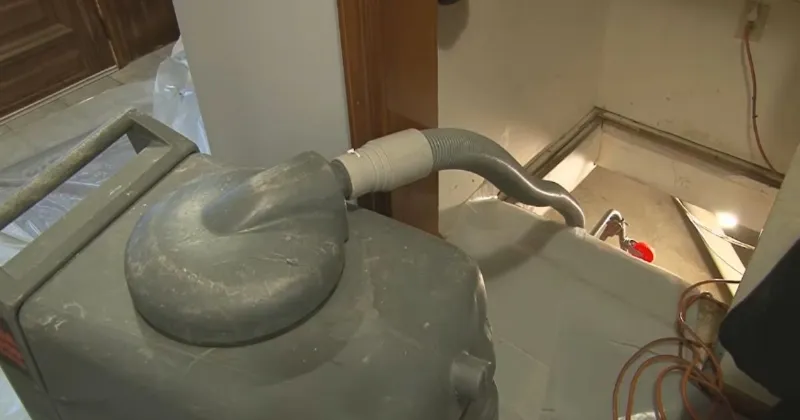
- Equipment placement: Industrial air movers and LGR dehumidifiers are positioned based on the moisture map. Wall cavity drying, small holes drilled below the baseboard line to circulate air inside the wall, can sometimes save drywall without cutting it open.
- Daily readings: We check the job every day, take moisture readings, and report to you. Equipment stays until readings reach dry standard, not until a certain number of days have passed.
- Final documentation: The final package includes the complete drying log, timestamped photos, daily readings, and a written scope of work your adjuster can reference when evaluating the claim.
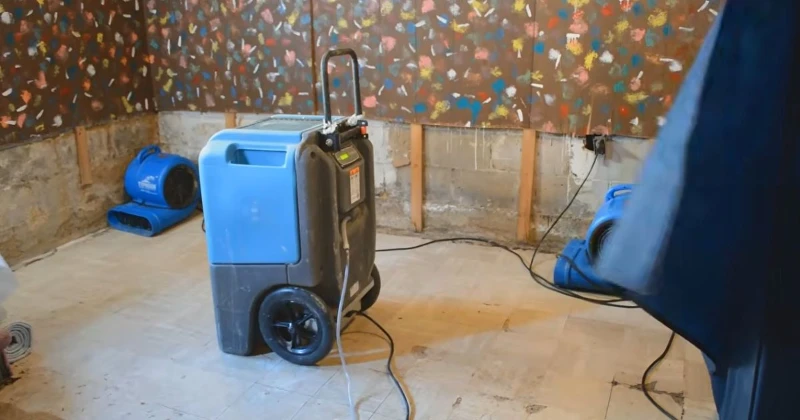
How Long Does It Take to Dry After a Burst Pipe?
A burst pipe water damage drying job in Boulder typically takes 3 to 5 days for a single room and 5 to 7 days when water traveled through walls or between floors. The timeline depends on how much material absorbed water, how quickly extraction started, and how cold it is outside.
Winter jobs take longer. Boulder’s dry winter air helps with dehumidification, but cold temperatures slow evaporation from structural materials. We compensate by running additional air movers and adjusting equipment placement daily based on moisture readings.
If you need the space back sooner, ask us during the initial assessment. We can sometimes accelerate drying with additional equipment, but we will not sign off on a job before the numbers confirm it is dry.
Every burst pipe water damage job gets a daily drying log with dated photos and moisture readings at each documented point. You get a copy, and your insurance adjuster gets a copy. No guesswork, just numbers.
Insurance: Sudden Burst vs Gradual Leak
Most standard homeowners policies in Colorado cover burst pipe water damage from a sudden and accidental event, but every policy is different. Review your declarations page or contact your agent to verify what your plan includes. Common exclusions include:
- Gradual leaks, a slow drip behind a wall that went unnoticed for months. Insurers treat this as a maintenance failure.
- Freezing damage to pipes in an unheated part of the house when heat was not maintained. Some policies have a “heat maintenance” clause, and requirements vary by insurer.
Tell your agent the facts: the date you found it, what caused it, and what you have done. Keep the failed pipe, valve, or fitting, do not throw it away. Insurers sometimes investigate origin and cause, and the failed part is evidence. You receive timestamped photos, daily moisture readings, and a complete written scope of work for your adjuster.
Water and freezing claims nationally average about $15,400 (Insurance Information Institute, 2019 to 2023). Boulder jobs involving finished basements or multi-story water travel often run higher. Every job begins with a written, itemized estimate. No work starts until you approve it, and we get your written approval before adding anything beyond the original scope.
How to Keep Boulder Pipes From Freezing
- Drain sprinkler lines before the first freeze and close the inside shutoff valve to the hose bib
- Disconnect and store garden hoses before November
- Insulate pipes in garages, crawl spaces, and under kitchen sinks on exterior walls
- Keep garage doors closed in cold weather
- Open sink cabinet doors under exterior-wall sinks to let warm air reach the pipes
- Keep the thermostat at the same temperature day and night, a cold night after a warm day is when pipes freeze
- Keep the heat at 55°F or above even when you are away, a trickle of cold water on exposed lines can also help
- Shut the main valve and drain the system before a long trip in winter
What to Do While Waiting for the Crew
After you shut the main water valve and call us, here is what you can do safely while you wait for the crew.
Move furniture, electronics, and valuables away from standing water. Lift items off wet carpet onto aluminum foil or plastic blocks. Move rugs and loose items to a dry area.
Use your phone to photograph and record every affected area before moving anything. Walk through every affected room. Open closets and check under sinks. Document the water line on walls, any standing water, and any damaged belongings. The date and time stamps on those photos serve as evidence for your insurance claim.
Do not use a household vacuum to suck up water. Keep ceiling fans and light fixtures off in any room with a wet ceiling. If water is near any electrical outlet or panel, stay clear and wait for us.
Open interior doors to improve airflow, but avoid opening windows when temperatures are below freezing. The cold will not help drying and may freeze water trapped in wall cavities, making the burst pipe water damage worse.
If the burst pipe is on an upper floor and water is dripping through the ceiling below, do not stand under a bulging or sagging ceiling. Water-soaked drywall is heavy and can collapse without warning, and electrical wiring hidden behind it creates a shock hazard. Move everyone out of the room, shut off power to that area if the breaker panel is accessible without crossing standing water, and wait for us. Our technicians know how to drain trapped ceiling water without causing further damage.
Frequently Asked Questions
How do I know if a pipe burst inside a wall?
Signs include: a wet patch or stain on drywall that grows or reappears after painting, a sagging ceiling, buckling flooring, a musty smell without visible water, or higher-than-normal water usage on your bill. In winter, an icicle forming on an exterior wall is a warning sign. Thermal imaging and moisture meters confirm hidden moisture.
Do frozen pipes always burst?
Not always. The pressure buildup between the ice blockage and the closed faucet can cause a pipe to split, but if the freeze thaws slowly and the pipe is not in a vulnerable spot, it may survive intact. The problem is you usually cannot tell until the ice thaws, which is why any suspected freeze is worth taking seriously before it becomes a burst.
Which Boulder ZIP codes and neighborhoods are in your service area?
Our service area covers ZIP codes 80301 through 80305. Neighborhoods include North Boulder, Mapleton Hill, Downtown, University Hill, Table Mesa, Martin Acres, Frasier Meadows, East Boulder, Wonderland Hills, Newlands, Chautauqua, Gunbarrel, and the northeast side of the city. We do not cover mountain and up-canyon areas. Dealing with a flooded basement? We handle that too.
Call Now for Immediate Response
A burst pipe in Boulder in January will not wait until morning. We answer every call 24/7, nights and weekends, no extra after-hours charge. For burst pipe water damage, call (303) 479-3055 now and we will give you an honest arrival time on the phone.
Boulder CO Water Damage Restoration
Phone: (303) 479-3055
Email: info@bouldercowaterdamage.com