Emergency Water Removal & Extraction in Boulder, CO
Standing water in your home right now? Call (303) 479-3055. We answer 24/7 with no extra charge for nights or weekends, and we will tell you exactly when to expect the crew. Emergency water removal needs to start fast, and every hour you delay increases the scope of what has to come out. The first 24 to 48 hours determine how much of your home can be saved, so do not wait until morning.
Standing Water Right Now? Call, Then Do These 5 Things
- Turn off the water source if you can reach the main shutoff safely. Every minute the water runs, it spreads further.
- Do not enter standing water near electrical outlets, appliances, or the panel. Turn off the breaker to the affected area first. If the panel is in the flooded zone, do not go near it. Call an electrician.
- Get people and pets out of the flooded area. Even clean water from a supply line can be a slip hazard. Sewage or flood water is a health hazard.
- Do not run fans or your HVAC if sewage or flood water is involved. Moving air spreads contamination.
- Call us at (303) 479-3055. We will walk you through what else to do while the crew is on the way.
What Happens on the Phone and in the First Hour
When you call, a live person answers. Not a voicemail, not an answering service that takes a message. We will ask you: Where is the water? Do you know the source? Is it still coming in? Are there any safety concerns? Based on what you tell us, we can tell you when to expect us on that first call.
When the crew arrives: they assess the source and category of the water, check for safety hazards, begin extraction with truck-mounted equipment, set up drying equipment, and document with photos and moisture readings before anything is removed. If the job requires demolition like removing wet drywall or flooring, we explain what and why, and we get your written approval before doing it.
How Emergency Water Removal Works
Professional extraction is not a shop vac. Here is what actually happens:
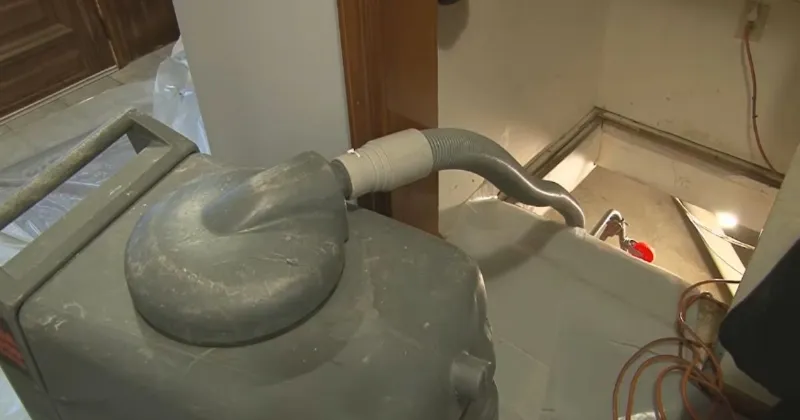
- Truck-mounted extraction: The most powerful option. A gas-powered unit in the truck pulls water through long hoses, moving hundreds of gallons quickly. It reaches under baseboards and into low spots a portable unit cannot access.
- Submersible pumps: For deep standing water in a basement with several inches, submersible pumps remove the bulk before extraction wands finish the job.
- Extraction wands and water claws: Specialized tools that pull water from carpet and pad without fully removing them yet, reducing drying time.
- Wet carpet and pad: Carpet pad almost always has to come out because it traps water and cannot dry fast enough to prevent mold growth. Carpet may be extractable if the water was clean and work starts quickly.
After extraction, industrial air movers and LGR dehumidifiers run continuously. Our crew logs moisture readings every day and keeps a full written record. Drying equipment remains in place until the numbers confirm everything is dry, not based on a set timeline. You can learn more about this phase on our water mitigation and drying page.
Why the First 24 to 48 Hours Matter
The EPA recommends drying wet building materials within 24 to 48 hours to help prevent mold growth. After 48 hours, materials that have not been dried or removed begin to support mold, and the cleanup cost rises. After 72 hours, structural damage like swelling, warping, and delamination becomes more likely in wood and composite materials.
Beyond mold: water migrates. What looks like a wet patch on the basement floor is often water that has already traveled under the slab, inside walls, and into the ceiling of the room above. The longer it sits, the further it goes. Extraction and drying equipment started within the first few hours stops that migration.
Speed is the most important factor in outcomes, and it is not just about convenience. It is about how much of your home you can save.
Why Boulder Homeowners Call for Emergency Water Removal
Boulder has a specific set of water damage causes that homeowners here deal with more often than in many other cities. Knowing what drives emergency calls helps you understand why timing matters so much.
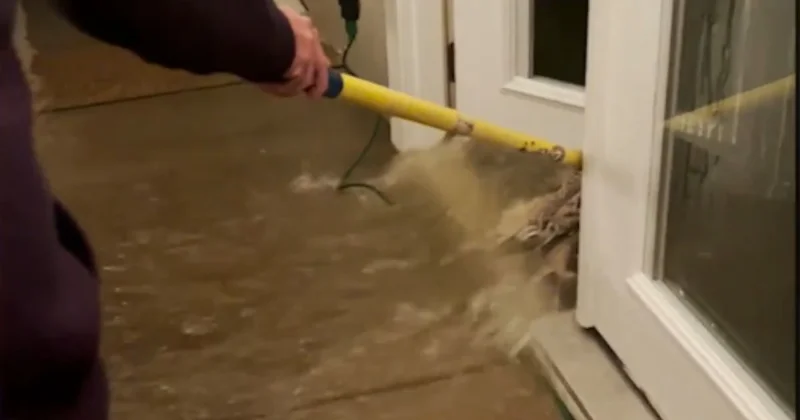
Spring snowmelt and groundwater rise: April and May are Boulder’s wettest months. Snowmelt from the Flatirons combines with spring rain to push groundwater up against foundations. Homes in Table Mesa, Wonderland Hills, and North Boulder regularly see water entering through the cold joint at the base of basement walls during heavy melt events. This is not a plumbing failure. It is hydrostatic pressure, and it can push several inches of water into a finished basement within hours.
Monsoon and summer storm events: Boulder sits at the edge of the Colorado Front Range and receives intense localized summer storms. The September 2013 flood is the most extreme example, but even smaller events can overwhelm window wells, back up storm drains, and send water into basements across the city. These calls tend to cluster after storms move through quickly, which means multiple jobs can open at once. Calling early matters.
Freeze-thaw and burst pipes: Boulder’s elevation and temperature swings create freeze-thaw cycles that stress supply lines, especially in exterior walls, crawl spaces, and unheated garages. A pipe that freezes overnight and bursts when temperatures rise can release a significant amount of water before it is noticed. The December 2022 cold event generated dozens of burst pipe calls across the city. The damage from a burst pipe is covered by most standard homeowners policies, but only if cleanup starts fast enough to limit the spread.
Appliance failures: Water heaters in Boulder homes have a typical lifespan of eight to twelve years. At altitude, water heater tanks work harder and mineral buildup from hard water can shorten that timeline. A water heater that lets go overnight can release forty to eighty gallons before the floor drain handles it, and in a finished basement the damage is immediate. Dishwasher supply line failures, washing machine hoses, and refrigerator ice maker lines are among the most common reasons for an urgent extraction call.
What Documentation You Receive After Extraction and Drying
One thing homeowners often do not think about until they are filing a claim is documentation. By then it is too late to go back and capture what the damage looked like before work started. We photograph and document from the moment the crew arrives, before anything is moved or removed.
What you receive at the end of the job:
- Timestamped photos of every affected area: taken at first arrival, before work begins, and at each daily check. These show the original extent of damage in a form your adjuster can review.
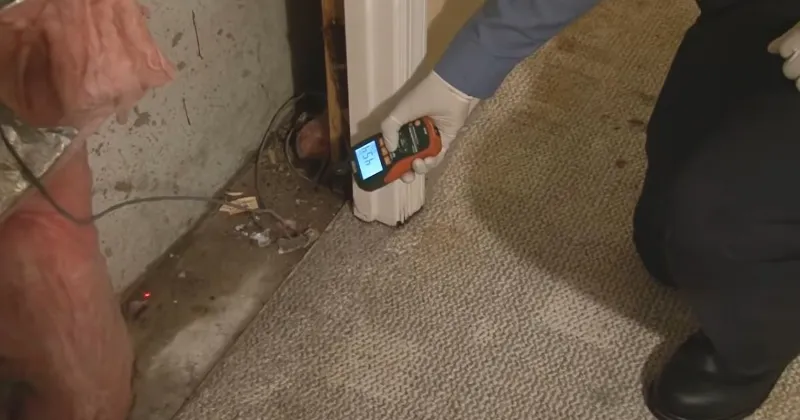
- Moisture readings by location: every surface that was wet gets a baseline reading on day one and a recorded reading at each return visit. This is how we confirm that drying is working and how the adjuster verifies that professional drying standards were met.
- Written scope of work: a line-by-line breakdown of what was done, what was removed, what equipment was used, and how many days equipment ran. This is what the insurance adjuster uses to validate the claim.
- Material removal notes: if carpet pad, drywall, or other materials were removed, the documentation explains what was taken, why it could not be dried in place, and what category of water was involved. This matters if the claim is later questioned.
If your adjuster has questions after reviewing the documentation, we can speak to our scope directly. We do not negotiate coverage or file claims for you, but we give you everything your adjuster needs to do their job. For more detail on what documentation is included in a full drying job, see our water damage resources page.
Shop Vac vs Professional Extraction: An Honest Answer
A shop vac is better than nothing for a small clean-water spill on a hard floor, cleaned up within minutes. What a shop vac cannot do:
- Pull water out of carpet pad (it moves the top layer but leaves the pad soaked)
- Remove water from inside wall cavities
- Measure moisture in drywall and subfloors to tell you if they are actually dry
- Run a dehumidifier powerful enough to pull moisture out of structural materials
A rented dehumidifier from a hardware store is similarly limited. A residential dehumidifier moves a fraction of the air that an LGR unit does. For anything beyond a small clean-water spill on hard flooring, professional extraction and drying equipment makes a real difference in outcome.
Night and Weekend Calls
Water does not wait for business hours, and neither do we. We take calls 24 hours a day, 7 days a week. There is no extra charge for nights or weekends. We will tell you when the crew can be there. We do not make promises we cannot keep about response times.
Boulder homeowners have called at 2 a.m. for burst pipes, overnight dishwasher floods found in the morning, and refrigerator water line leaks that soaked a finished basement over a weekend. These are exactly the calls we are here for.
Cost Drivers and Insurance
The cost of emergency water removal and drying depends on: the size of the affected area, the category of water (clean, gray, or sewage), how long the water has been sitting, what materials are wet, and how many rooms are involved. You receive a detailed, itemized estimate in writing before any work starts. Any scope expansion gets your written approval before we proceed.
Many standard homeowners policies cover water damage from sudden and accidental events like burst pipes and appliance failures. Sewage backup and sump failure typically require a water backup endorsement. Flood from outside requires a separate NFIP flood policy. Every policy is different. Review your policy documents or reach out to your agent to verify what is included in your coverage. We give you everything your adjuster will ask for: timestamped photos, moisture logs from each visit, and a complete written scope of work.
Frequently Asked Questions
How fast does water damage get worse?
According to EPA guidelines, wet building materials should be dried within 24 to 48 hours to reduce the risk of mold. In the first few hours, water is still spreading into walls and subfloors. After 24 hours, materials are saturated and beginning to support biological growth. After 48 to 72 hours, structural damage and mold become increasingly likely. Speed matters.
Is it safe to turn off the power?
If the breaker panel is in a dry area and you can reach it without stepping through water, yes. Shut off the breaker to the affected area. If the panel is in or near the flooded zone, do not go near it. Call an electrician first.
Do you charge more at night or on weekends?
No. We answer 24/7 and there is no after-hours surcharge for nights or weekends.
What should I do while waiting for the emergency water removal crew?
If you can safely reach the main water shutoff, turn it off to stop the flow. Move valuables and electronics above the water line. Photograph and record video of all affected areas before touching anything. The date and time stamps serve as evidence for insurance. Do not enter standing water near electrical outlets or the breaker panel. Stay out of the affected area until the crew arrives.
What Boulder ZIP codes and neighborhoods do you serve?
We serve Boulder ZIP codes 80301 through 80305, including North Boulder, Gunbarrel, Table Mesa, University Hill, Martin Acres, Wonderland Hills, East Boulder, Frasier Meadows, Chautauqua, Newlands, Downtown, and the Mapleton Hill area. Mountain and up-canyon locations are outside our service area.
Call Now for Emergency Water Removal
Call (303) 479-3055 right now. We answer 24/7, tell you when to expect us, and have the crew on-site within 60 minutes. Every hour counts.