
Pack Out Content Storage for Water Damage in Boulder, CO
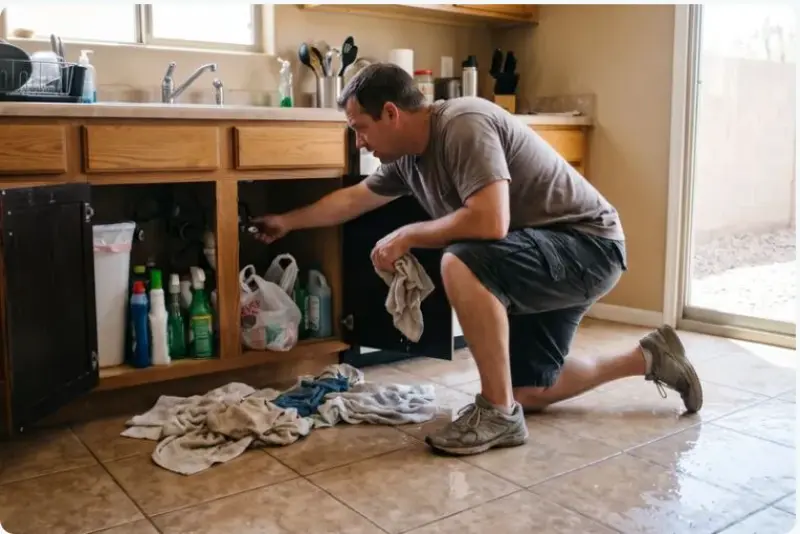
Water damage does not stop at the walls and floors. When a pipe bursts behind a kitchen cabinet, a sump pump quits during a spring storm, or a floor drain backs up into a finished basement, the belongings in that space are at risk too. Furniture absorbs moisture. Cardboard boxes soften and collapse. Documents and photographs can be ruined within hours if left sitting in a wet room.
nn
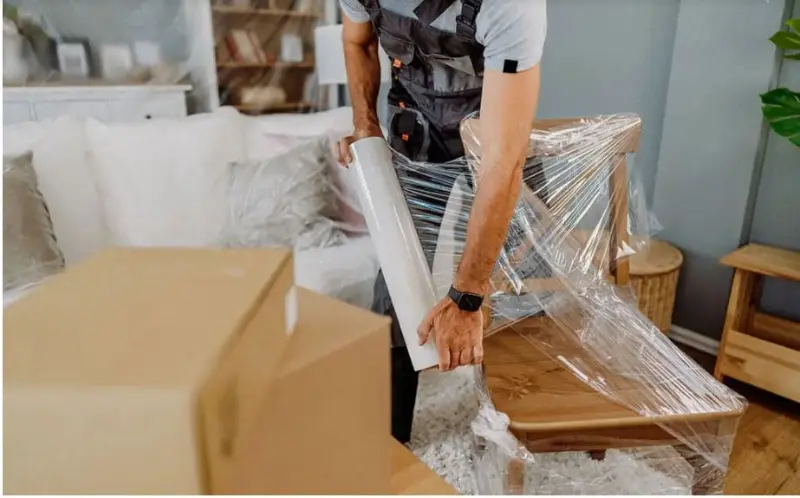
Pack out content storage is the process of clearing those belongings out of the affected area before drying equipment is placed, documenting items before they move, storing everything while the structure dries, and returning each item to where it was once drying is confirmed complete. It is not a standard part of every water damage job, but when the situation calls for it, doing it correctly protects your belongings and keeps the drying job on track.
When pack out content storage situations arise in Boulder, we coordinate pack-out and content storage for homeowners, renters, landlords, property managers, and commercial property owners throughout ZIP codes 80301, 80302, 80303, 80304, and 80305. Call (303) 479-3055 any hour. A live person answers and an IICRC-certified crew is on-site within 60 minutes.
When Pack Out Content Storage Is Necessary
The crew assesses the affected space on arrival and recommends pack-out when the contents in that space would prevent proper drying or are themselves at risk of further damage.
Pack-out is typically necessary when:
- A finished basement holds furniture, stored boxes, appliances, or home office equipment, and clearing the floor is required before drying equipment can be placed effectively
- Belongings are sitting in standing water or in direct contact with saturated flooring or walls
- The volume and layout of contents makes it impossible to run air movers and dehumidifiers at the spacing and angles the drying class requires
- Contents are absorbing moisture and need to be removed to limit further damage
- A landlord or property manager needs a unit cleared for the contractor crew working on structural drying
The recommendation is based on what the drying job requires. If contents can stay and drying can proceed correctly, they stay.
When a Full Pack-Out Is Not Necessary
A full pack-out is not required on every job. In many situations, the crew can move furniture to a dry area of the same property, shift items within the room, or work around minimal contents.
Pack-out is generally not needed when:
- The affected area is small, with little furniture or stored belongings
- Items can be relocated to a dry room, hallway, or garage on the same property without interfering with drying
- The space is largely unfinished with no stored contents blocking equipment placement
The goal is always to do what the job requires. Pack-out adds time and cost. It is recommended only when it is necessary for drying to work correctly or to protect belongings from further damage.
The Pack-Out Process, Step by Step
nn
Step 1 – Arrival and assessment
The crew walks the affected area and determines what needs to move, what can stay, and whether a partial or full pack-out is required. This happens before any packing begins.
Step 2 – Documentation before anything moves
Before packing starts, items are recorded in writing and photographed where possible so there is a documented reference for each item’s location and condition at the time of pack-out. Pre-existing damage is noted separately so it is not confused with water damage. The documentation is coordinated through our office and shared with you.
Step 3 – Careful packing and removal
Items are packed and moved out of the drying zone. Fragile items are handled with care. The packing is organized with return placement in mind so that putting things back is straightforward. The crew coordinates with our office throughout to make sure everything is tracked.
Step 4 – Storage while drying runs
Belongings are stored while drying equipment runs in the affected space. Storage arrangements are discussed with the customer before packing begins and reflected in the written estimate. The right arrangement depends on the volume of contents, the duration of the job, the property layout, and what is available and practical at the time. We coordinate storage case by case. Options may include temporary on-site storage, use of a dry area on the same property, or off-site storage depending on the job and availability.
Step 5 – Daily drying updates
While belongings are in storage, drying continues in the affected space. Moisture readings are taken at documented locations and recorded in the drying log. You receive a daily update by call, text, or email. If you are away from the property, photo updates are available.
Step 6 – Return and placement
When moisture readings confirm the structure has reached dry standard, belongings are returned to the room and placed back where they were recorded before packing. Appliances that were disconnected as part of the pack-out are assessed before reconnection. Where a qualified professional is needed to safely reconnect an appliance, that step is coordinated before the crew signs off.
Inventory, Photography, and Documentation

nn
Before anything is packed, items in the affected area are recorded in writing and photographed where the job allows. The record captures item descriptions, their locations in the room, and their condition at the time of pack-out. Items flagged by the customer as fragile, valuable, or irreplaceable are noted separately. Documents, photographs, and electronics are identified specifically because their handling may differ from general household contents.
You receive a copy of the documentation. This record helps ensure that items can be returned to their correct locations and gives you a reference point for the condition of your belongings before they were moved.
Documentation procedures are coordinated through our office and carried out by the assigned crew. We discuss the documentation process with you before work begins so you know what to expect on your specific job.
Pack Out Content Storage Arrangements
nn
Storage during a water damage pack-out is not a fixed arrangement. The right approach depends on how many items need to move, how long drying will take, and what is practical and available for the property at the time.
For some jobs, contents can be stored in a dry area of the same property, a garage, an adjacent unit, or a temporary container placed on-site. For larger jobs or when on-site storage is not practical, off-site storage may be coordinated. Availability of specific options depends on the job and cannot be guaranteed in advance.
Storage arrangements and their costs are discussed with the customer before packing begins. Everything agreed is reflected in the written estimate. What does not change regardless of the arrangement: items are kept organized for return, and nothing is returned until drying is confirmed complete.
Pack Out Content Storage and Your Insurance Claim
If your homeowner’s or commercial property policy includes contents coverage, your adjuster may ask for documentation of what was affected and what condition it was in before packing began. The written record and photographs made before pack-out may help support that portion of your claim.
What you receive from us: a written record of packed items, dated photos taken at first arrival, and a copy of the drying log recording moisture readings taken until the structure reached dry standard. These documents may be useful when working with your adjuster, depending on what your policy requires and what your insurer asks for.
Coverage and documentation requirements vary by policy and insurer. You handle the claim. We do not contact your insurance company on your behalf, and we do not make promises about what will or will not be covered. Keep your claim number and adjuster contact information accessible throughout the job.
Residential and Commercial Contents
Pack-out applies to both residential and commercial properties, though the contents and priorities differ.
For homeowners and renters, pack-out most often involves household furniture, stored items, clothing, documents, photographs, electronics, and appliances. The concern is protecting belongings that have personal and financial value.
For landlords and property managers, pack-out may be needed to clear a tenant’s unit for restoration work, to protect property that belongs to the building, or to document the condition of contents before and after the loss. Daily updates and photo reports are available so out-of-town owners can follow the work without being on-site.
For commercial property owners, pack-out may involve office furniture, equipment, inventory, records, and electronics. We coordinate commercial pack-out projects based on the property’s needs, contents, scheduling requirements, and agreed estimate.
Special Handling for Fragile, Valuable, and Sensitive Belongings
Not everything in an affected space is a cardboard box or a piece of furniture. Some items require care that goes beyond standard packing.
Tell the crew and our office about any of the following before packing begins:
- Artwork, antiques, or collectibles
- Documents that cannot be replaced, including deeds, wills, contracts, or family records
- Photographs and printed materials, which may be stabilized in some cases if identified quickly
- Electronics that contacted water, which should not be powered on until assessed by a qualified person
- Medication, which should stay with you or be handled according to your pharmacist’s guidance
- Items with high sentimental or monetary value that you want handled with extra attention
Pre-existing condition is noted in the documentation for items you flag before packing. Items you identify in advance are treated accordingly throughout the process.
What to Prepare Before the Crew Arrives
A few things help the pack-out go smoothly and protect your interests:
- Walk the affected area before the crew arrives, if it is safe to do so, and note any items you want flagged for special handling
- Set aside medication, essential documents, and items you will need access to during the job before packing begins, so they are not packed by mistake
- Keep your own photos or records of high-value items separate from the pack-out documentation as a personal reference
- Confirm who will be on-site for the initial walkthrough or, if you cannot be there, who can open the property and who should receive daily updates
- Have your insurance claim number and adjuster contact information ready if a claim is already open
Pack-Out After Basement Flooding and Other Boulder Water Damage Situations
Finished basements are where pack-out comes up most often in Boulder. The combination of Boulder’s creek and drainage network, spring snowmelt from the Flatirons, and the prevalence of finished basement storage in neighborhoods like Table Mesa, North Boulder, and East Boulder means basement flooding here is a recurring reality.
A finished basement in an 80303 or 80304 home may hold years of storage alongside furniture, appliances, and home office equipment. When the floor is covered in standing water, drying equipment cannot be placed until the floor is clear. Pack-out is what makes the drying possible.
Pack-out also comes up after:
- Sump pump failures, where the contents of a basement were sitting in water while the pump was down
- Burst pipe events in finished lower levels or storage spaces
- Ceiling water damage in a room below a bathroom, where belongings directly under the affected ceiling need to move while the ceiling is opened and dried
- Appliance leaks behind cabinets or under flooring, where the work area needs to be cleared
For basement flooding specifically, see our flooded basement water removal page. For sump pump failures, see our sump pump failure cleanup page. For the full step-by-step of how a water damage job works from first call to dry, see our water damage process page.
Return and Placement of Belongings
The pack-out is not complete until everything is back.
When moisture readings confirm the structure has reached dry standard, belongings are returned to the room and placed according to the documentation made before packing began. The same care taken during pack-out applies during return.
Appliances that were disconnected during the job are assessed before reconnection. Where a qualified professional is needed to safely reconnect an appliance, that is coordinated before the work is signed off.
Before the crew leaves, the customer or property contact walks the space to confirm everything is back in place and the work area is clear of debris. The drying log and final dated photos are handed over at close-out.
Frequently Asked Questions
What is pack out content storage in water damage restoration?
Pack-out is the process of removing belongings from a water-damaged area, documenting items before they move, storing everything while the structure dries, and returning each item to its original location when drying is complete. In a pack out water damage situation, it is used when contents in the affected area would prevent proper drying or are at risk of further damage from staying in a wet space.
Does every water damage job require a pack-out?
No. Pack-out is recommended only when the contents in the affected area need to move for drying to work correctly, or when belongings are at direct risk of further damage. Many jobs involve minimal contents that can stay or be moved within the same property without a full pack-out.
How is storage handled during a pack-out?
Storage is coordinated case by case depending on the volume of contents, the job duration, the property layout, and what is practical and available at the time. Options may include temporary on-site storage, storage in a dry area of the same property, or off-site storage. The arrangement and its cost are discussed before packing begins and reflected in the written estimate.
How long will my belongings be away?
Belongings are returned when moisture readings confirm drying is complete. General estimates are 3 to 5 days for most residential jobs and 5 to 7 days for heavily saturated spaces such as finished basements with wet walls and subfloor. Actual drying time depends on moisture conditions, the materials involved, and what the daily readings show. You receive daily updates on progress throughout.
Will the pack-out documentation help with my insurance claim?
The written record and photographs made before packing may help support a contents claim, depending on what your policy requires and what your insurer asks for. We do not make coverage promises. Coverage and documentation requirements vary by policy and carrier. What we provide is a dated written record of items before they moved, photos taken at first arrival, and a drying log. How those documents are used is between you and your adjuster.
Can you handle commercial pack-out jobs?
Yes. We coordinate commercial pack-out projects based on the property’s needs, contents, scheduling requirements, and agreed estimate. The documentation package at close-out includes a written record, dated photos, and a full drying log.
Water damage in Boulder and need to know if pack-out is part of the job? Call (303) 479-3055 any hour. A live person answers, an IICRC-certified crew is on-site within 60 minutes, and a written estimate comes before any work starts. No after-hours charge. Serving Boulder ZIP codes 80301, 80302, 80303, 80304, and 80305.