
Storm Water Damage Restoration in Boulder, CO
Storm water damage can soak a home in minutes. When a hail storm, flash flood, or burst of wind-driven rain forces water through a roof, window, or foundation, the clock starts immediately. Standing water warps floors, saturates insulation, and creates the conditions for secondary problems inside walls and subfloors. We coordinate water damage restoration in Boulder 24 hours a day, 7 days a week. IICRC-certified local contractors are dispatched within 60 minutes of your call, no after-hours charge, and a written estimate comes before any work begins.
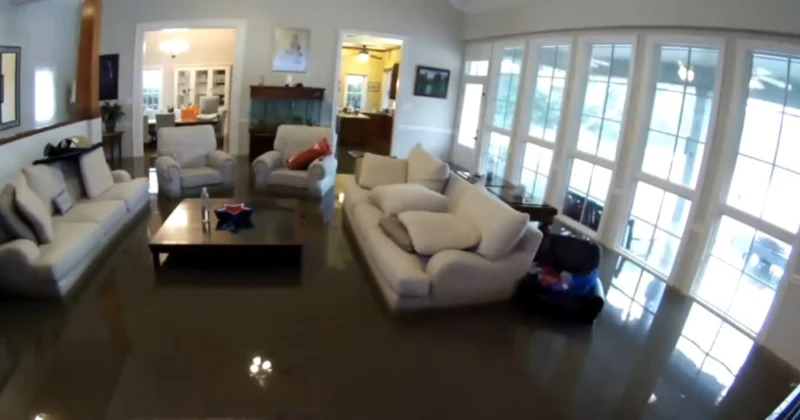
What to Do Right After a Storm in Boulder
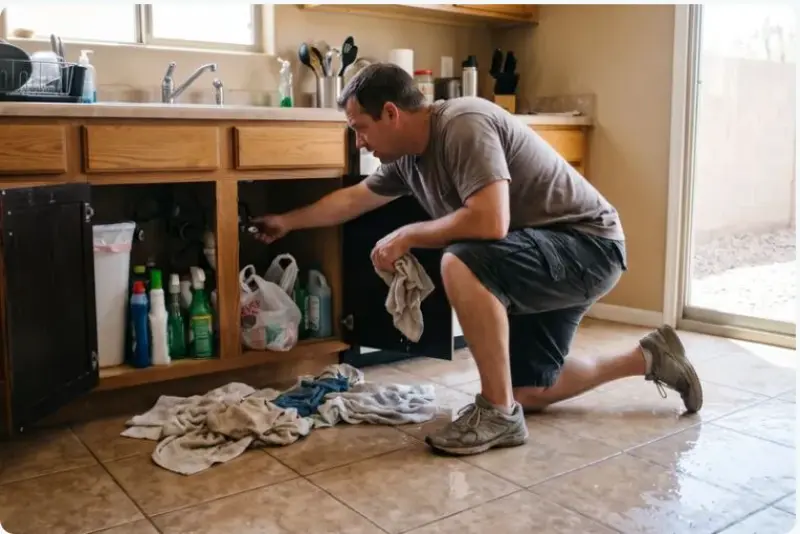
When water enters your home from a storm, the actions you take in the first 30 minutes matter. Here is what to do before the contractor arrives.
- Call for help immediately. Do not wait to see if things dry on their own. Call (303) 479-3055 and get a contractor dispatched. The drying clock starts the moment water enters the structure.
- Never enter standing water to reach an electrical panel or switch. If water is near electrical outlets or appliances, stay out of the affected area and contact a qualified professional.
- Do not run household fans. Household fans move humid air through the structure but do not remove moisture from it. Running them before professional drying equipment is in place can spread humidity into dry areas.
- Move valuables and documents off wet floors. Lift rugs, move boxes, and get paper documents out of wet areas. The less that sits in standing water, the less that gets damaged while you wait.
- Document what you see. Take photos with your phone before anything is moved. Date-stamped photos taken at the time of loss are useful for your insurance claim.
Our business coordinates the project and customer communication. The assigned independent contractor handles the on-site inspection and physical restoration work.
How Storm Water Damage Enters a Boulder Home
Boulder sits at the base of the Front Range where storms arrive fast and hit hard. Water typically enters a home through one of several paths.
- Roof breaches. Damaged shingles, cracked flashing, and hail punctures let rainwater move straight into attic insulation and ceiling drywall.
- Wind-driven rain. High-wind events along the Front Range push rain horizontally into gaps around windows, doors, and siding that would not leak under normal rainfall.
- Foundation seepage. When ground saturation rises faster than drainage can handle, water pressure pushes through foundation cracks and window wells into basements and crawl spaces.
- Overloaded gutters and downspouts. Debris-clogged gutters overflow and dump water against the foundation or under siding, saturating framing at the base of walls.
- Storm drain backup. During heavy rain events, municipal storm drains can back up and push water through floor drains in lower levels of a home.
No matter the entry point, water spreads quickly once it is inside. Porous building materials absorb moisture within the first few hours, and the drying window is narrow.
What Happens When Water Damage Is Not Dried Fast
The first 24 to 48 hours after a storm event are the most critical. Here is what happens inside a structure when drying is delayed.
- Within 24 hours. Drywall absorbs moisture and begins to soften. Wood framing starts to swell. Wet insulation loses its insulating value. Flooring adhesives loosen. The drying scope is still manageable and most materials can potentially be dried in place.
- 24 to 48 hours. Drywall that stays wet begins to lose structural integrity. Swollen framing can warp. Wet subfloor panels can delaminate. The window for drying materials in place narrows. What could have been a drying job starts to become a removal and replacement job.
- Beyond 48 hours. Prolonged moisture in wall cavities and subfloor spaces becomes increasingly difficult to reverse without removing affected materials. The scope and cost of restoration grows with each day that passes without drying equipment running.
Fast response after a storm directly affects how much of the original structure can be saved and how long the drying job runs.
Hail Storms and Water Intrusion in Boulder
Boulder and the surrounding Front Range experience hail-producing thunderstorms, particularly during the spring and summer months. Hail can damage shingles, flashing, roof vents, and other roofing components, creating openings where rainwater can enter a home.
After a hailstorm, water may enter attic insulation, ceiling cavities, and interior walls through damaged roofing materials. In some cases, the damage is not immediately visible from inside the property.
When storm-related roof damage leads to interior water intrusion, the assigned restoration contractor can assess affected areas, document moisture conditions, and coordinate appropriate extraction and structural drying. A roofing contractor may also need to repair the damaged roof to prevent further water entry.
What the restoration contractor handles on hail-related calls:
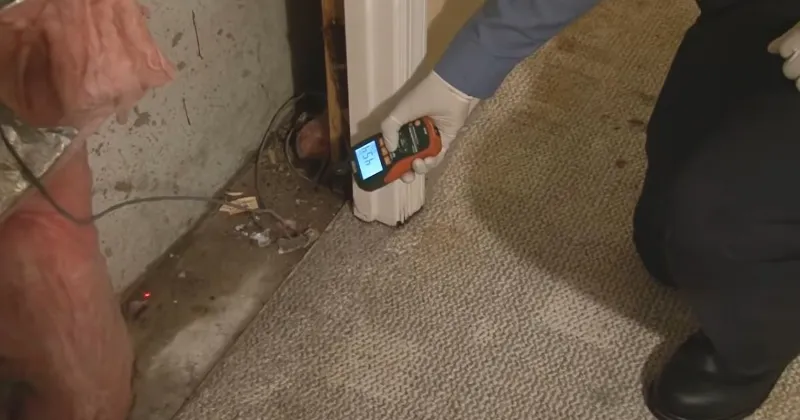
- Moisture assessment. Meters and thermal imaging are used to identify how far water has spread through insulation and into ceiling cavities.
- Extraction and structural drying. Commercial equipment runs until affected areas return to dry standard readings.
- Job documentation. The contractor photographs and documents interior moisture conditions. That documentation can be used for your insurance claim alongside the roofer’s findings.
A roofer addresses the breach. The restoration contractor dries the water damage that breach let in. Those are two separate scopes and both need to happen for the job to be complete.
Response: What the Contractor Does on Arrival
When a contractor arrives at a Boulder property, the first step is a full assessment. Moisture meters and thermal imaging are used to identify every wet area, including cavities behind walls and under flooring where water migrates but is not visible. That assessment drives decisions about equipment placement and drying targets.
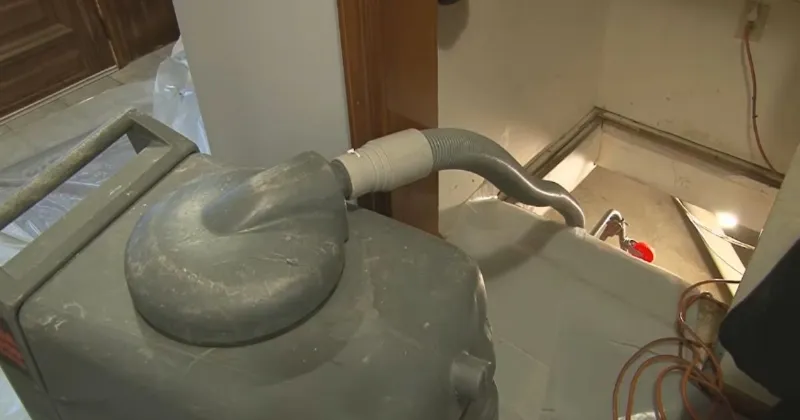
From there, the contractor extracts standing water, places drying equipment, and monitors progress. Every visit generates a moisture reading log documenting drying progress from start to finish, with dates and readings attached to specific locations in the home.
- Water extraction. Standing water is removed from floors, carpets, and subfloors.
- Structural drying. Air movers and dehumidifiers run until moisture readings return to dry standard.
- Cavity drying. When wall cavities or under-floor spaces are wet, the contractor works to dry materials in place wherever the conditions allow.
- Daily moisture logs. Each monitoring visit produces a dated written record your insurance adjuster can reference.
We coordinate scheduling, written estimates, and project communication. The IICRC-certified contractor assigned to your job performs the hands-on assessment, extraction, drying, and documentation.
Your Insurance Claim After a Storm
Whether water damage from a storm is covered depends on how water entered the property and what your specific policy includes. Coverage questions are between you and your insurance adjuster, who determines what applies to your claim. We do not make coverage determinations or negotiate with your insurance company on your behalf.
What we provide is the documentation that supports your claim. The assigned contractor produces dated photos taken at arrival, moisture readings from each monitoring visit, and a written record of the drying scope. We coordinate delivery of that documentation to you so you have an accurate record for your adjuster.
If the event may also involve pack-out and content storage of belongings affected during the storm, we can coordinate that as part of the same project.
Common Storm Scenarios in Boulder
Boulder weather creates a specific set of patterns that lead to water intrusion. Here are the situations that come up most often in Boulder ZIP codes 80301, 80302, 80303, 80304, and 80305.
- Hail storms. Hail can punch through or crack roofing materials and leave entry points that allow rain in during the same storm or a subsequent rain event. Attic insulation and ceiling drywall are typically the first materials affected.
- Flash flooding. Boulder Creek and its tributaries can rise rapidly during heavy rain. Low-lying properties and homes near drainage channels are vulnerable to water intrusion through foundation walls and basement openings.
- Spring snowmelt combined with rain. Saturated ground from late snowpack absorbs little additional rainfall. When spring storms hit, water moves across the surface and against foundations rather than draining down.
- Afternoon thunderstorms. Boulder summers bring fast, intense afternoon thunderstorms that can deliver significant rainfall in a short window, overwhelming gutters and drainage around a home.
- Wind-driven rain. High-wind events push rain into gaps around windows, doors, and siding that would not leak under ordinary rainfall conditions.
Boulder Creek and Flooding Near Your Property
Boulder Creek runs through the center of the city, and the creeks and drainage channels that feed it cross residential neighborhoods throughout Boulder. During heavy rain events, creek levels can rise faster than many homeowners expect. Properties near Boulder Creek, Goose Creek, Skunk Creek, or the smaller drainage channels throughout the Boulder ZIP codes can be affected by surface water movement during intense storm events.
When water driven by nearby flooding reaches a foundation, it typically enters through window wells, basement floor drains, or foundation cracks. For more on how flooding patterns affect Boulder properties, see our Flood Damage Cleanup page.
The drying scope for a basement that has taken on water through these paths is handled the same way as any other job: extract standing water, map moisture conditions, run drying equipment, and monitor readings until dry standard is reached throughout the affected space.
If your property is near a creek or drainage channel and you have taken on water damage, call (303) 479-3055. We respond across all Boulder ZIP codes any hour of the day.
Frequently Asked Questions About Storm Water Damage
Is storm water damage covered by homeowner insurance?
Coverage depends on how water entered the property and what your specific policy includes. Your insurance adjuster is the right person to confirm what applies to your claim. We provide documentation of how water entered, how far it spread, and how it was dried, which you can use in that conversation.
What is the difference between storm damage and flood damage for insurance purposes?
These are generally treated as separate coverage types. Water damage that enters through a storm-caused breach in the structure, such as a damaged roof or broken window, is often addressed under a standard homeowner policy. Water that rises from the ground up is generally treated as flood damage and may require separate flood insurance coverage. Your adjuster determines which applies based on how the water entered your property.
How fast does water damage spread inside a wall?
Water can migrate through wall cavities beyond the original entry point, but how far and how fast depends on the building materials, the volume of water, and the construction of the wall. A moisture assessment on arrival maps the actual extent of the damage rather than relying on assumptions.
Do I need to leave my home during drying?
Most drying jobs allow residents to stay in the home. The drying equipment is loud and runs continuously. If a large portion of the living area is affected or if structural materials need to be removed, temporary relocation may be more practical. The contractor walks through the scope with you on arrival so you can make that call with full information.
How long does drying take?
Drying time depends on the volume of water, which materials were affected, and how quickly drying equipment was deployed. Drying is complete when moisture readings return to the dry standard for each material type, not on a fixed number of days. The contractor monitors and logs readings throughout.
Dealing with storm water damage in Boulder and need a contractor on-site fast? Call (303) 479-3055 any hour. A live person answers, an IICRC-certified contractor is on-site within 60 minutes, and a written estimate comes before any work starts. No after-hours charge. Serving Boulder ZIP codes 80301, 80302, 80303, 80304, and 80305.