2026 Water Damage Cost Guide
Water Damage Restoration Cost in Boulder, CO (2026 Guide)
Water damage restoration cost in Boulder depends on the class of damage, the water category, the materials affected, and how quickly work begins. This guide explains what drives cost and provides cost estimates based on Boulder-area water damage jobs.
Boulder Water Damage Cost at a Glance
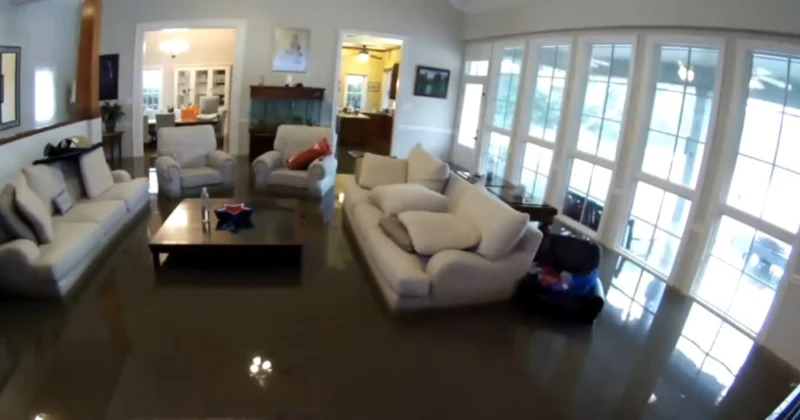
Water damage restoration cost in Boulder varies widely depending on how much was affected and what type of water caused the damage. The figures below are estimates based on Boulder-area water removal and restoration work.
These are general estimates. Actual costs depend on affected square footage, water category, materials, and time elapsed before response. Emergency water removal started quickly typically limits the scope and cost of restoration work.
Water Damage Class: The Biggest Driver of Cost
Restoration contractors use IICRC classes to describe how much water was absorbed and by what materials. Your class is the primary driver of water damage restoration cost: it determines how many drying days you need, how much equipment is required, and whether structural material needs to be removed.
IICRC S500 defines class based on the estimated evaporation load — the rate of evaporation required and the amount of water-affected material in the space, measured as a percentage of the combined floor, wall, and ceiling surface area that is wet.
Class 1 — $150 to $500 (estimate)
Class 1 is the least evaporation load: a small area, mostly hard non-porous surfaces. Wet porous materials represent less than roughly 5% of the combined surface area of the space. A slow appliance drip caught early, a small section of wet carpet near a door, or a supply line that leaked briefly before being found. Extraction is fast, drying time is short, and no structural removal is typically needed. Appliance leak water damage and burst pipe water damage caught within hours often fall into this class.
Class 2 — $1,500 to $5,000 (estimate)
Class 2 involves significant evaporation load. Wet porous materials represent roughly 5%–40% of the combined surface area. A whole room has been affected: carpet, carpet pad, and the lower 12 to 24 inches of walls have absorbed water. A washing machine overflow, a dishwasher failure, or a burst pipe that ran for several hours before discovery is typical. Flooring, carpet, and drywall replacement is common at this level.
Class 3 — $5,000 to $15,000 (estimate)
Class 3 is the greatest evaporation load: wet porous materials represent more than roughly 40% of the combined surface area. Water may have come from overhead, saturating ceilings, walls, insulation, and flooring throughout. Drywall removal is almost always required. At this level, ceiling water damage is a realistic concern that needs to be addressed in the scope. We do not provide mold remediation services.
Class 4 — $15,000 to $100,000+ (estimate)
Class 4 involves specialty drying of dense, low-porosity materials: hardwood, concrete, brick, or stone. These materials require specialized drying methods such as mat systems or injection drying and may appear dry on the surface while retaining substantial moisture within. Boulder’s older housing stock has a higher proportion of these materials than newer developments. See how water damage restoration works for a full timeline.
Water Category: What Kind of Water Was It?
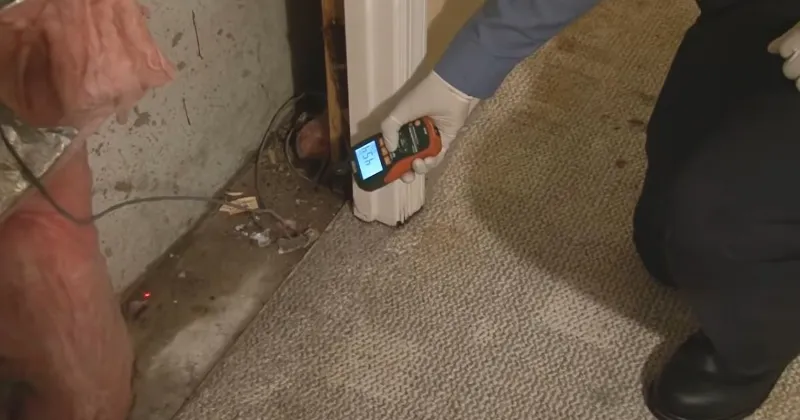
The water’s source and contamination level affect what procedures are required, what materials can be dried in place versus removed, and what disposal protocols apply. Category is determined by a certified restorer based on the originating source and the actual contamination conditions present at the time of inspection.
Category 1 water can be dried in place if the response is fast. Category 1 water can degrade to a higher category if it contacts contaminated building materials or substances — this depends on what it contacts, not on time alone. Category 2 water cannot be left in porous materials without risk; affected drywall and insulation are typically removed. Category 3 events like sewage backup cleanup require full biohazard protocols: all saturated porous material is removed and disposed of as contaminated waste.
Per sq. ft. cost estimates by category for extraction and mitigation work: Category 1: $3–$4/sq. ft.; Category 2: $5–$6/sq. ft.; Category 3: $7–$7.50/sq. ft. These are estimates that vary by job scope, affected area, and materials.
Typical Cost by Room Type
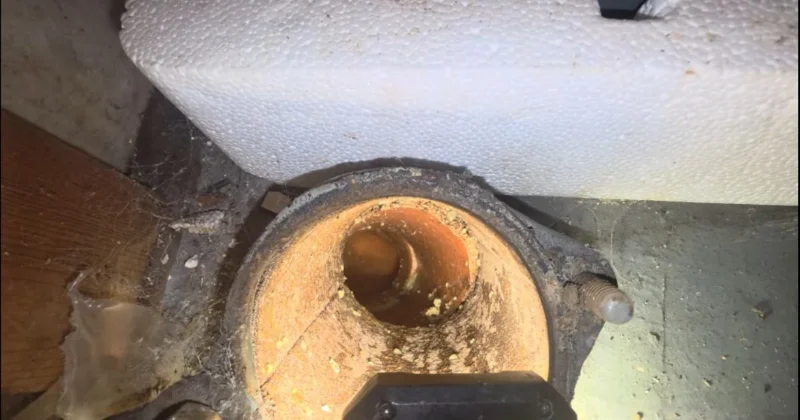
Room type affects cost through size, material composition, and access difficulty. These ranges are estimates for Class 2 damage and Category 1 water as a baseline. Category 2 or 3 events, or higher damage classes, increase these figures.
Basement — $3,500 to $15,000+
Basements are typically the most expensive per event: water migrates down from every direction, finished basement materials are often total losses once saturated, and access for equipment is more limited. Basement water removal in Boulder’s older homes can present additional challenges. Add a sump pump failure component and costs increase; see sump pump failure cleanup.
Bathroom — $1,500 to $5,500
Bathroom events are usually caught early. Tile and cement board are non-porous and cleanable. The risk in bathrooms is water that escapes to adjacent rooms or the floor below: a toilet overflow in an upstairs bathroom that migrates into a first-floor ceiling is a Class 3 event regardless of the small source area.
Kitchen — $2,500 to $8,000
Kitchen leaks usually come from under-sink lines, dishwasher supply or drain connections, or refrigerator water lines. Cabinets are expensive to restore or replace, and subfloor damage under a dishwasher is common. Appliance leak damage in a kitchen often requires cabinet removal to dry the subfloor properly.
Living Room / Main Floor — $2,000 to $7,000
Main-floor living spaces typically have hardwood or carpet over a subfloor. Hardwood is expensive to restore correctly and cannot simply be dried in place if it has cupped or buckled. Floor and carpet water damage costs depend heavily on the flooring type and how long the water sat before extraction.
Crawl Space — $2,000 to $8,000
Many of Boulder’s older homes have crawl spaces with limited clearance. Crawl space water removal in homes with restricted access requires more labor. Post-event crawl space vapor barrier repair or replacement adds cost but helps prevent recurrence.
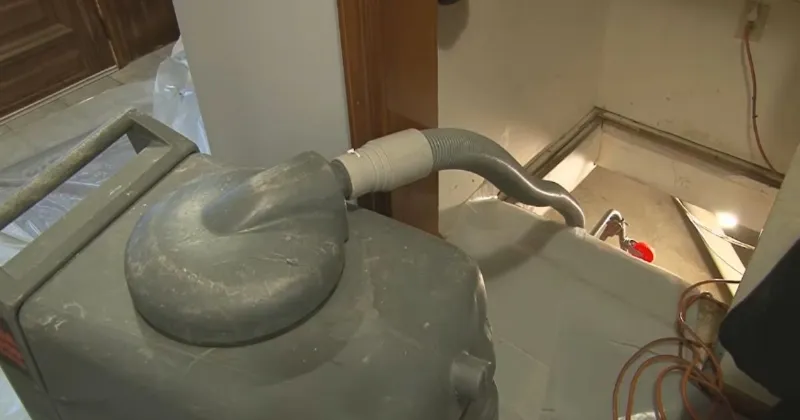
What Common Scenarios Actually Cost in Boulder
Burst Pipe — $2,000 to $12,000
The range is wide because it depends on how long the pipe ran before discovery. A pipe found within hours is often Class 1 or 2. Left undiscovered, the same event becomes Class 3 or 4. Burst pipe water damage in Boulder’s older homes can involve more vulnerable plumbing that is susceptible to freeze-thaw damage, particularly in uninsulated crawl spaces and exterior walls.
Appliance Leak — $1,200 to $7,000
Dishwasher failures, washing machine supply lines, refrigerator water lines, and water heater leaks are common sources. Most are discovered quickly because appliances are in used areas of the home. The main variable is whether the water reached a subfloor, cabinet interiors, or an adjacent room. Appliance leak damage caught within a few hours is typically the least expensive category of event.
Basement Flood — $3,500 to $20,000+
Basement flooding in Boulder can come from several sources: sump pump failure, foundation seepage, a supply line failure in a finished basement, or a drain backup. Flood damage cleanup costs are highest when the basement is finished and when the water source is contaminated.
Sewage Backup — $4,000 to $20,000+
Sewage backups are always Category 3, which means full biohazard protocols from the first contact. Everything porous that was wet must be removed: drywall, insulation, carpet, carpet pad, and in some cases subfloor. Sewage backup cleanup includes antimicrobial treatment throughout the affected area. We do not provide mold remediation services.
Ceiling Leak — $1,500 to $9,000
Water through a ceiling is often discovered after it has already migrated. The visible wet spot is rarely the full extent of the damage: water travels horizontally along joists before it finds a low point and drips. Ceiling water damage frequently extends further than it appears. The source must be found and repaired before restoration begins.
Storm Damage — $2,000 to $15,000+
Storm water damage in Boulder typically comes from wind-driven rain through a compromised roof, hail damage that allows water ingress, or flash flooding. Storm events that bring Category 2 or Category 3 water from outside the structure escalate costs significantly.
Factors That Affect Boulder Restoration Costs
Several factors affect water damage restoration costs in Boulder:
- Older housing stock. Neighborhoods like Mapleton Hill, Whittier, University Hill, Chautauqua, and North Boulder have high concentrations of pre-1960 homes with lath-and-plaster walls, old-growth subfloor, and original construction materials. These materials absorb and release moisture differently than modern construction and can be more expensive to restore correctly.
- Elevation. Boulder sits at 5,328 feet. At higher elevation, atmospheric pressure is lower, which affects how efficiently drying equipment operates. Jobs at elevation may require longer drying times or additional equipment compared to lower-altitude locations.
- Labor market. Boulder’s cost of living affects contractor labor rates. Skilled trades in Boulder County typically run above national median wage benchmarks.
- Crawl space prevalence. A significant portion of Boulder’s housing stock has crawl spaces rather than slab foundations. Crawl spaces flood, hold moisture, and are more labor-intensive to work in than open floor areas.
- Response time. How quickly work begins affects the scope of the job. Faster response limits secondary damage and can reduce overall restoration cost.
Time and Scope
How quickly work begins affects the scope and cost of restoration. Water moves into building materials over time, expanding the affected area. The progression varies by material type, temperature, humidity, and other conditions.
- Early response: Extraction and air movers placed quickly can contain Class 1 events. Drywall may not need to be removed.
- Delayed response: Drywall and insulation absorb water and begin to swell. Carpet pad is typically a total loss. Events that could have been Class 1 may become Class 2 or higher as water continues to spread.
- Extended delay: Subfloor begins to absorb moisture. Wood framing shows elevated moisture readings. Structural drying is required. Mold growth becomes a concern in the right conditions; we do not provide mold remediation services.
A water damage inspection immediately after discovery determines the class and category, which determines the scope. Getting that inspection done promptly is the most effective cost-control step.
What Insurance Covers — and What It Does Not
Understanding water damage restoration cost is essential when filing an insurance claim. Homeowner’s insurance in Colorado typically covers sudden and accidental water damage from internal sources. Coverage determinations are made by your insurer based on your specific policy terms. The descriptions below are general and not legal or insurance advice; confirm coverage with your insurer.
Commonly covered under a standard homeowners policy:
- Burst pipes (sudden failure, not gradual deterioration)
- Appliance failures (washing machine, dishwasher, water heater, refrigerator waterline)
- Roof damage from wind or hail that allows water ingress (the resulting interior damage is typically covered)
Commonly not covered under a standard homeowners policy:
- Gradual leaks: a slow drip behind a wall that caused damage over months is typically denied as maintenance failure
- Sewer or drain backup: typically requires a separate endorsement; confirm policy terms with your insurer
- Surface flooding from outside the home: typically requires a separate flood insurance policy; confirm policy terms with your insurer. For information on flood insurance, see the FEMA National Flood Insurance Program.
- Mold remediation if the insurer can demonstrate the homeowner failed to mitigate promptly
The documentation created during emergency water removal and throughout the restoration process is what your adjuster uses to settle the claim. Moisture readings, photos, moisture maps, and drying logs should be collected from day one.
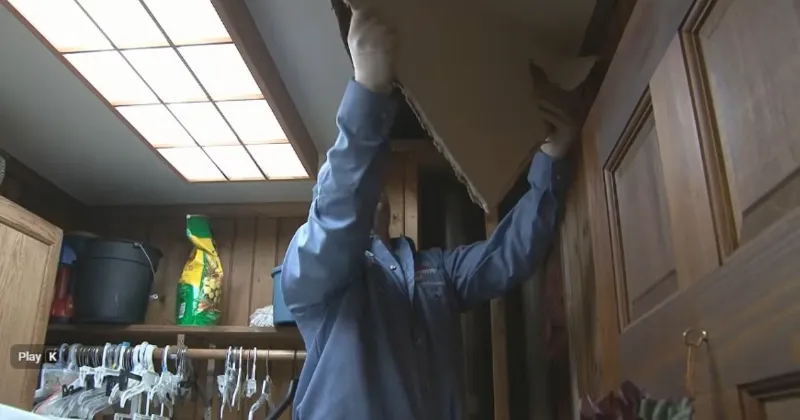
Mitigation vs. Reconstruction: Two Different Scopes
When reviewing your water damage restoration cost estimate, note that it may cover two distinct phases that appear on separate line items in a scope document or insurance estimate.
Mitigation is emergency response: extracting standing water, removing damaged materials that cannot be dried, placing drying equipment, and monitoring until the structure reaches dry standard. This is the phase covered by water mitigation services. Per sq. ft. cost estimates for mitigation range from $3 to $7.50 depending on water category and materials affected. Mitigation is billed separately from reconstruction.
Reconstruction is replacing what was removed: hanging new drywall, replacing flooring, painting, reinstalling trim, cabinets, and fixtures. Reconstruction costs are driven by material costs and labor rates. Reconstruction is not always done by the same contractor who handled mitigation; the two phases may have separate scopes, separate invoices, and separate insurance approvals.
When comparing estimates, make sure you are comparing the same scope. An estimate that covers mitigation only does not represent the total cost to return the property to pre-loss condition.
Commercial Water Damage Costs in Boulder
Commercial water damage in Boulder follows the same class and category framework but with additional cost drivers: larger square footage, business interruption considerations, code compliance on reconstruction, and ADA considerations in public spaces. Pearl Street corridor buildings, University of Colorado-adjacent commercial properties, and commercial properties along major corridors all present unique access and scheduling considerations.
Commercial restoration may also include after-hours work when business operations cannot be interrupted. Emergency response for a commercial property in Boulder runs $1.50 to $3.00 per sq. ft. for initial extraction, with full restoration scopes varying widely by occupancy type and damage extent.
Get a Water Damage Restoration Cost Estimate in Boulder
Cost guides give you a starting framework; your estimate gives you the actual number. The variables that matter most — the class, the category, the affected square footage, the material types, and how much time has passed since the event — cannot be assessed without someone physically measuring moisture in the structure.
A written estimate comes before any work starts. The water damage inspection produces the documentation your adjuster will use if you are filing a claim.
See the full Boulder water damage cost overview on our home page, or learn more about how the restoration process works from first call through final clearance.