Fast Emergency Water Extraction Boulder CO IICRC-Certified Contractors
Standing water does not wait for business hours. When you need emergency water extraction Boulder CO homeowners and businesses call (303) 479-3055 we coordinate an IICRC-certified independent local contractor on-site within 60 minutes, around the clock, every day of the year including holidays. Call (303) 479-3055 now our line is answered live, 24 hours a day, every day of the year including holidays.
What Water Extraction Is and Why Speed Matters
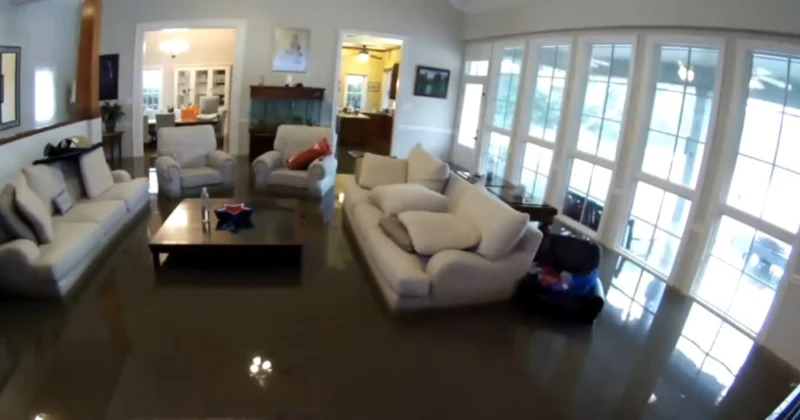
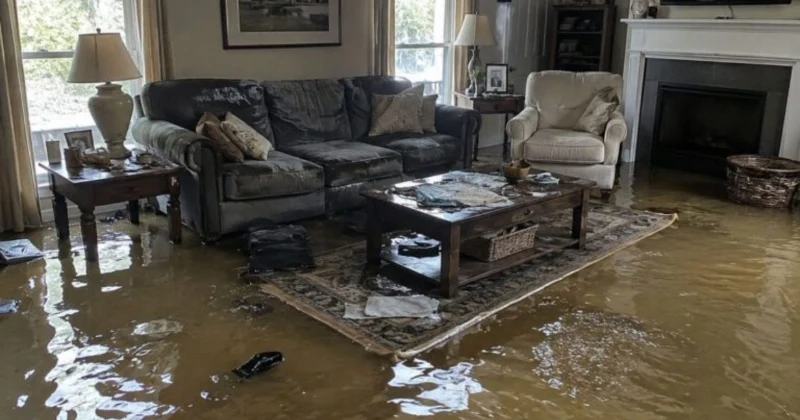
Water extraction is the process of removing standing water from a structure as quickly as possible using professional extraction equipment. Speed matters because water migrates within minutes, soaking into flooring, wall cavities and subfloor material. The longer extraction is delayed, the deeper the saturation and the longer the structural drying phase that follows.
We coordinate the full response: when you call, we take your information, dispatch the nearest available IICRC-certified contractor and stay reachable throughout the job. The contractor arrives with professional extraction equipment, performs an on-site assessment and begins removing water immediately. You receive a written itemized estimate before any additional work begins.
Why 60-Minute Response Matters in Boulder
Boulder’s altitude, climate and building stock create conditions where water damage escalates quickly. Temperatures drop fast in the evenings, turning wet structural materials into an environment where microbial growth can begin within 24 to 48 hours if moisture is not removed. The annual freeze-thaw cycle puts pressure on pipes and foundations from October through April, and Boulder Creek flooding brings additional risk during spring runoff.
Getting an IICRC-certified contractor on-site within 60 minutes means extraction begins before water has time to migrate into adjacent rooms or deeper structural layers. Early extraction reduces total drying time, lowers the volume of material that must be removed and simplifies the documentation your insurance adjuster needs.
The Water Extraction Process
Step 1: Initial Assessment
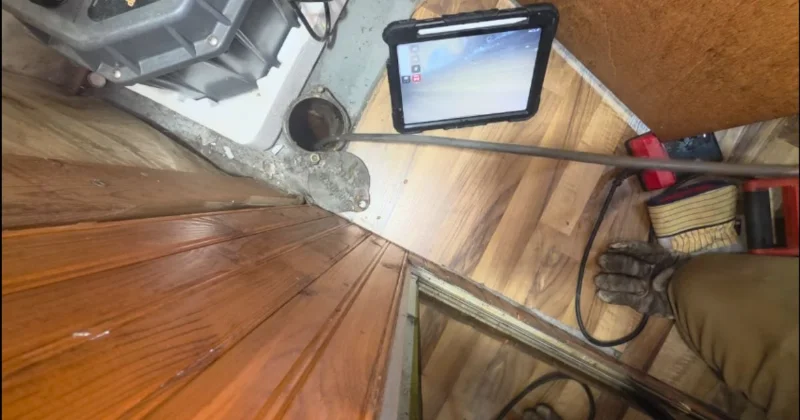
The contractor begins with a walk-through of the affected area using professional moisture detection equipment. This establishes the perimeter of saturation. Moisture meters and thermal imaging show where water has traveled behind walls, beneath flooring and into structural cavities that look dry on the surface.
Step 2: Water Category Assessment
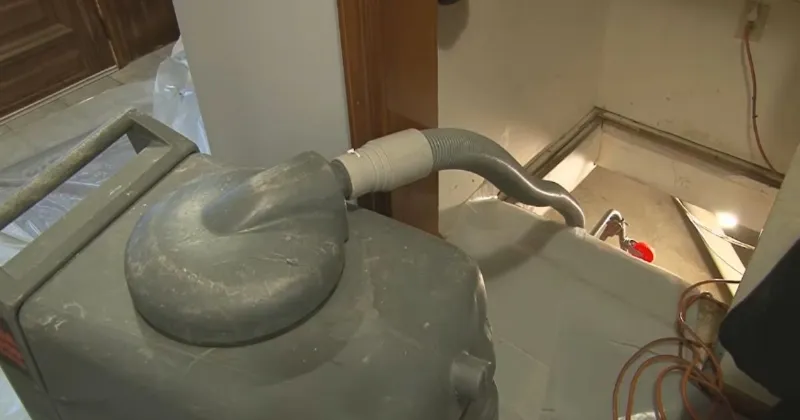
The contractor classifies the water according to IICRC S500 standards before extraction begins. Classification determines the safety protocols required for emergency water extraction Boulder CO jobs and informs the full restoration plan.
- Category 1 (Clean Water): Water from a supply line break or clean municipal source that has not contacted contaminants. The contractor assesses source and conditions on arrival.
- Category 2 (Gray Water): Water that carries microbial or chemical contamination. Washing machine and dishwasher overflow can fall into this category because the water has contacted detergents, soils and organic residue during normal use. The contractor assesses the actual contamination conditions on-site.
- Category 3 (Black Water): Grossly contaminated water from sewage backup, floodwater that has contacted storm drains or ground-level contaminants, or standing water with significant microbial growth. Full protective protocols apply. The contractor determines the category based on source and conditions, not elapsed time alone.
Step 3: Standing Water Removal
The contractor uses professional extraction equipment to remove standing water from the affected area. Extraction begins with the heaviest concentrations and works outward to the perimeter. Hard-surface flooring, carpet and pad are each addressed according to their saturation level and category classification.
Step 4: Moisture Documentation
Once standing water is removed, the contractor takes baseline moisture readings across the affected area and documents them with photos and a written moisture log. These readings establish the starting point for the structural drying phase. We provide you with dated photos, daily moisture readings and a written scope your insurance adjuster can use.
Step 5: Structural Drying Setup
Extraction removes visible water but not the moisture absorbed into materials. The contractor transitions directly into structural drying placing drying equipment calibrated to the moisture readings taken in Step 4. Drying continues until materials reach acceptable moisture levels confirmed by daily readings.
Common Water Damage Scenarios in Boulder
Burst Pipes During Freeze Events
Boulder’s temperature swings between October and April put residential and commercial plumbing under stress. See our burst pipe water damage page for details on these calls. A pipe that freezes overnight and bursts before sunrise can release dozens of gallons before the water is shut off. These calls are a frequent water damage scenario in Boulder, particularly in properties with plumbing in exterior walls or unconditioned spaces.
Appliance Failures
Washing machine supply line failures, dishwasher drain line disconnects and refrigerator water line breaks are among the most common water damage sources in Boulder homes. Water released at floor level spreads quickly across adjacent rooms. See our appliance leak water damage page for details on these scenarios.
Basement Water Intrusion
Basement water intrusion is a frequent water damage scenario in Boulder during heavy rain and snowmelt periods. Many Boulder properties have finished or partially finished lower levels that require the same extraction and drying approach as main-floor spaces. See our flooded basement water removal page for details. Standing water in a basement reaches flooring, drywall and stored contents quickly.
Boulder Creek and Storm Flooding
Properties near Boulder Creek face elevated flood risk during spring runoff and significant rainfall events. See our flood damage cleanup page for creek and storm flooding details. The 2013 flood demonstrated how quickly creek flooding can reach residential and commercial structures in central Boulder. Water from creek flooding or storm events that has contacted drainage systems, soil or ground-level contaminants can carry significant contamination. The contractor assesses the category on arrival based on the actual source and conditions.
Irrigation System Failures
Boulder properties with in-ground irrigation systems can experience line breaks or valve failures that go undetected overnight or over a weekend. Irrigation water released against a foundation or through a window well can cause significant intrusion before the source is located and shut off. These calls increase during spring system startup and fall blowout season.
Sewage Backup
Sewage backup reaches the extraction team as Category 3 water under IICRC S500 standards and requires full protective protocols from the moment the contractor arrives. See our sewage backup cleanup page for full details. Assigned contractors handle Category 3 extraction including sewage backup in both residential and commercial properties throughout Boulder. Do not attempt cleanup without professional protective equipment.
Not in an active emergency? Call (303) 479-3055 for a no-cost assessment before the next storm season or pipe-freeze window. Our team can walk you through what to watch for in your property type and what to do in the first 10 minutes if water appears.
Boulder Neighborhoods We Serve
We coordinate emergency water extraction Boulder CO across the city and surrounding communities. Assigned contractors respond to all Boulder ZIP codes (80301 through 80305). Mountain communities outside the city Pine Brook Hills, Sugarloaf, Gold Hill and similar areas are outside our service area.
- North Boulder: Older building stock with many original plumbing systems. Burst pipe calls increase during cold snaps in January and February.
- Gunbarrel: Dense residential and light-commercial mix on the east side. Appliance line failures and irrigation system breaks are common calls in this area.
- Table Mesa: Established residential neighborhood with a mix of foundation types and finished lower levels. Basement water intrusion calls come in during heavy spring rain.
- Downtown Boulder: High-density mix of older residential and commercial properties. Water intrusion through aging drain lines and storm events are typical scenarios.
- Martin Acres: Residential neighborhood south of campus with post-war construction. Many properties in this area have crawl spaces or partial basements that require specialized extraction. See our crawl space water removal page for details on these jobs.
- Chautauqua: Historic district with older structures and original or early-replaced plumbing. Pipe-related calls are common in this neighborhood during freeze events.
- Newlands: Well-established neighborhood with mature trees whose root systems can stress sewer lateral lines. Sewage backup and slow-drain calls increase here in spring.
- East Boulder: Commercial corridor with office parks and mixed-use buildings. Commercial extraction calls come from businesses experiencing plumbing or HVAC-related water events.
Residential and Commercial Water Extraction
Assigned contractors handle both residential and commercial emergency water extraction Boulder CO calls on the same 24/7 schedule with no after-hours surcharge. Commercial jobs vary in scope, access requirements and equipment needs. Pricing for commercial work is determined by scope on-site. The coordinator model applies equally: we handle communication, scheduling and project coordination; the contractor performs the physical work.
What to Do When You Need Emergency Water Extraction Boulder CO
- Shut off the water source if you can safely reach the valve. For a main line break, the main shutoff is typically near the water meter or where the line enters the building.
- Turn off electricity to affected areas at the breaker if water is near electrical outlets, panels or appliances. Do not enter a room with standing water if you are unsure whether electrical circuits are live.
- Do not use a household vacuum to remove water. Standard vacuums are not designed for water extraction and present an electrical hazard.
- Move valuables away from standing water if you can do so safely. Documents, electronics and irreplaceable items should be moved to a dry area.
- Leave Category 2 and Category 3 water for the contractor. Gray water and black water require protective equipment. Do not attempt cleanup without it.
Insurance Documentation for Water Extraction Claims
Most homeowner and commercial property policies cover sudden and accidental water damage. Proper documentation from the moment extraction begins strengthens your claim and reduces delays. The assigned contractor provides dated photos, daily moisture readings and a written scope of work. We give you everything your adjuster needs to process the claim accurately.
Documentation includes: date and time of arrival, photos of standing water before extraction, baseline moisture readings across the affected area, water category classification, and a written scope identifying affected materials and planned drying protocol. Keep a copy of everything the contractor provides.
Frequently Asked Questions About Water Extraction in Boulder
How quickly can a contractor reach my Boulder property?
An IICRC-certified contractor is on-site within 60 minutes of your call anywhere in our Boulder service area. Our dispatch line is answered live 24 hours a day, including weekends and holidays.
How long does emergency water extraction Boulder CO take?
Extraction time depends on the volume of water, the size of the affected area and the materials involved. The contractor provides an on-site estimate after the initial assessment. Extraction is typically completed before the contractor leaves for a standard residential event.
Can you handle sewage backup extraction?
Yes. Assigned contractors handle Category 3 extraction including sewage backup with the full protective protocols required under IICRC S500 standards. This applies to both residential and commercial properties throughout Boulder.
What is the difference between water extraction and water damage restoration?
Water extraction removes standing water. Water damage restoration is the full process extraction, structural drying, affected material removal and repairs needed to return a property to its pre-loss condition. Extraction is the first and most urgent step. See our water damage restoration overview for the complete process.
Do you charge extra for nights, weekends or holidays?
No. The 60-minute response and 24/7 availability apply at the same rate regardless of time, day or holiday. There is no after-hours surcharge.
Will the contractor talk to my insurance company?
The contractor provides you with complete documentation dated photos, daily moisture readings and a written scope that you submit to your adjuster. We give you everything your adjuster needs to process the claim accurately.
I had a flood near Boulder Creek is that Category 3 water?
Not automatically. The contractor assesses the water category on arrival based on the actual source and contamination conditions. Water that has contacted storm drains, soil or ground-level contaminants typically carries significant contamination, but the classification is determined on-site, not by location alone.
Standing water in Boulder moves fast. Call (303) 479-3055 now for emergency water extraction Boulder CO an IICRC-certified contractor is on-site within 60 minutes, 24 hours a day, 365 days a year.