Expert Water Damage Restoration Downtown Boulder | Historic Homes & 80302
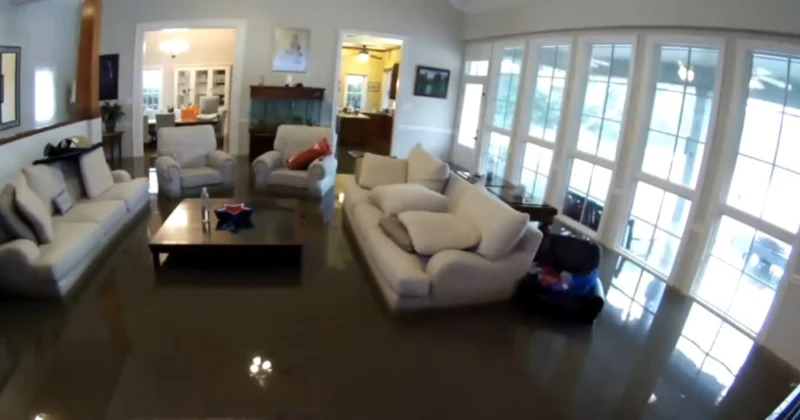
Water damage in a downtown Boulder home or business moves fast. A burst pipe, appliance failure, roof leak, or sewage backup can reach original hardwood floors, plaster walls, historic woodwork, and shared building systems within hours. In a neighborhood where many homes predate World War II, water does not just damage surfaces—it threatens irreplaceable materials that cannot be matched or easily replaced.
Boulder CO Water Damage provides expert water damage restoration downtown Boulder with 24/7 live phone answering and guaranteed 60-minute on-site arrival. Our IICRC-certified crew specializes in water damage restoration downtown Boulder homes and businesses rely on, covering the full 80302 ZIP code. When you search water damage restoration near me in central Boulder, we are the crew that answers.
Call (303) 479-3055 any time. We manage customer communication, written estimates, pricing, scheduling, invoicing, and project coordination. Independent IICRC-certified contractors perform the physical restoration work.
Water Damage Restoration Near Me in Downtown Boulder, CO
When you need water damage restoration near me in downtown Boulder, response time matters. We coordinate water damage restoration downtown Boulder CO throughout the 80302 ZIP code, including the Pearl Street corridor, University Hill, Whittier, Mapleton, and Newlands neighborhoods, as well as commercial properties and multi-family buildings near the CU Boulder campus.
You can contact us for:
- Emergency water extraction
- Burst and frozen pipe damage
- Basement water removal
- Crawl space water extraction
- Appliance and plumbing leaks
- Roof and storm-related water intrusion
- Sewage backup cleanup
- Water damage inspection
- Water mitigation
Call (303) 479-3055 to discuss your situation and arrange an on-site response.
Why Downtown Boulder Properties Face Water Damage Challenges
The 80302 ZIP code covers some of Boulder’s oldest residential and commercial stock. Properties in the Pearl Street Mall area, University Hill, and Mapleton Hill carry building characteristics that increase water damage risk and can complicate restoration work.
- Aging plumbing systems. Many downtown Boulder homes were built in the early to mid-1900s. Galvanized steel pipes — standard in homes built before the 1960s — corrode from the inside out as mineral deposits accumulate over decades, narrowing flow and eventually causing pinhole leaks or sudden failure. Cast iron drain lines and original shutoff valves degrade the same way. In older multi-family buildings near CU Boulder with shared plumbing risers, a single pipe failure can affect several units simultaneously before the source is located.
- Basement construction. Downtown Boulder has a higher concentration of homes with finished and partially finished basements than newer Boulder neighborhoods. Groundwater intrusion, foundation seepage, and sump pump failure can send water across finished floors and into drywall before anyone detects the problem.
- Historic materials. Plaster walls, original hardwood floors, and older millwork common in Mapleton Hill and Newlands homes respond differently to water than modern drywall and engineered flooring. Plaster holds moisture longer and can delaminate from lath if drying is rushed or uneven. Original hardwood floors can cup, buckle, or crack if moisture levels are not carefully monitored throughout drying. Accurate moisture mapping from day one of response reduces the risk of secondary damage to materials that cannot be replaced in kind.
- Shared walls and systems. Older multi-family buildings and commercial properties near the Pearl Street Mall sometimes have shared drainage systems where a backup in one unit can affect adjacent units or ground-floor commercial spaces.
- Proximity to Boulder Creek. Boulder Creek runs directly through the 80302 ZIP code. Boulder carries the highest flash flood risk in Colorado, and Boulder Creek has a documented history of significant flooding — including major events in 1894 and September 2013, when flooding caused widespread damage across the downtown area. The 100-year floodplain extends through portions of 80302, and properties within a few blocks of the creek face elevated risk during spring snowmelt and summer storm events.
Common Causes of Water Damage in Downtown Boulder Properties
Burst and Frozen Pipes
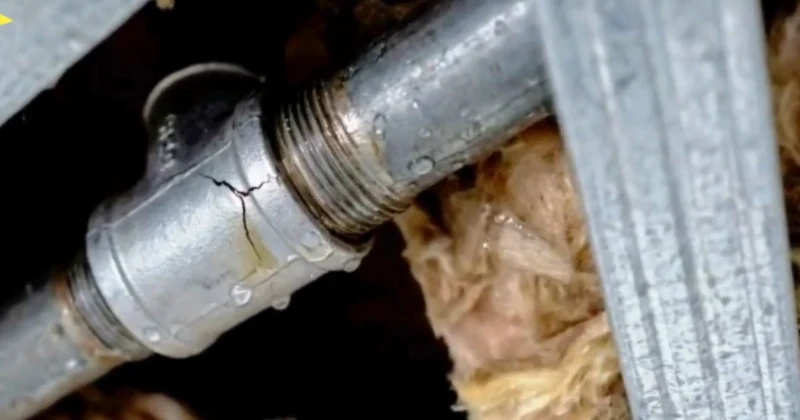
Winter cold snaps affect older downtown Boulder homes with pipes running through exterior walls, uninsulated attic spaces, or crawl spaces. When temperatures hold below freezing for multiple days, supply lines in poorly insulated areas freeze, expand, and rupture. In a Mapleton Hill or University Hill home with plaster walls and finished basement ceilings, water from a burst pipe in an attic or wall cavity can travel through multiple floors before it appears as a visible stain or drip. By then, significant moisture has already entered wall assemblies, floor joists, and below-grade spaces.
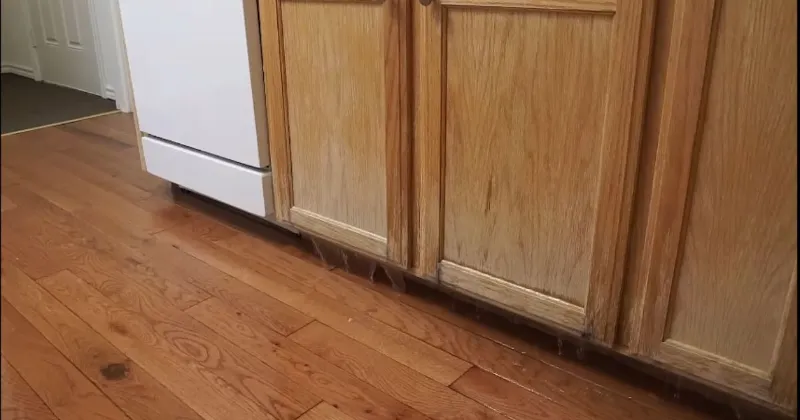
See our burst pipe water damage service for more information on how we coordinate emergency response for 80302 properties.
Appliance and Plumbing Leaks
Washing machine supply hoses, dishwasher connections, refrigerator water lines, and water heater tanks all fail eventually. In older downtown Boulder homes where laundry rooms or kitchens sit above finished basement spaces, even a slow leak can reach finished ceilings and walls below before anyone notices.
Basement Flooding
Finished and unfinished basements throughout the 80302 ZIP code are vulnerable to groundwater intrusion, foundation crack seepage, and sump pump failure during heavy rain. Spring snowmelt from Boulder’s mountain backdrop often coincides with heavy March or April rainfall, raising groundwater levels across downtown Boulder neighborhoods.
Our basement water removal service addresses standing water and moisture in affected below-grade areas.
Crawl Space Water Intrusion
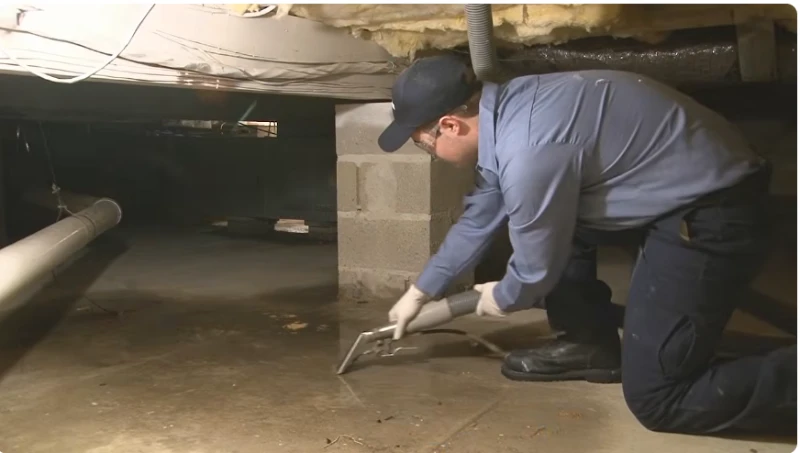
Many older downtown Boulder homes have crawl spaces beneath the main floor. Moisture entering a crawl space affects the insulation and wooden floor joists above, creating conditions for wood rot and elevated indoor humidity throughout the home. Spring moisture intrusion is common in 80302 crawl spaces.
Learn more about our crawl space water removal service.
Sewage Backup
Older sewer laterals in downtown Boulder neighborhoods are prone to root intrusion, partial collapse, and blockage. A sewage backup introduces contaminated water that requires protective equipment, containment, extraction, and disinfection beyond standard drying procedures.
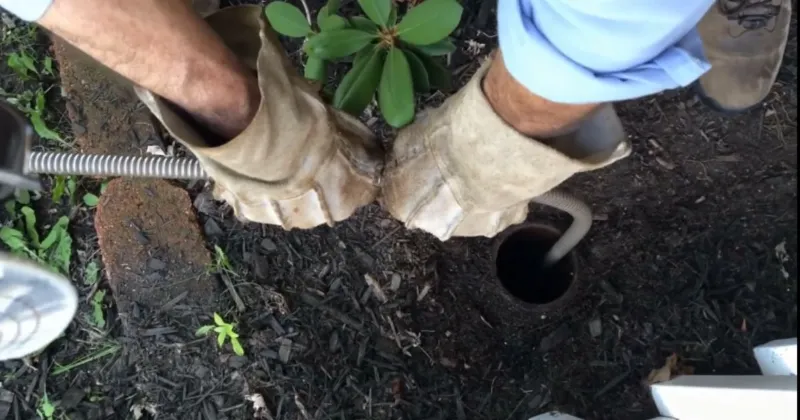
See our sewage backup cleanup service for details.
How We Handle Water Damage in Downtown Boulder Historic Homes
Older downtown Boulder homes — Mapleton Hill Victorians, University Hill craftsmans, Newlands bungalows — present restoration challenges that do not exist in newer construction. Plaster walls, original hardwood floors, lath backing, cast iron drain stacks, and finished basements below street grade all behave differently when water enters. Here is how water damage restoration downtown Boulder works for these properties.
1. Emergency Response and Source Control
We answer calls 24 hours a day and guarantee on-site arrival within 60 minutes. The first priority on arrival is confirming the water source is stopped or contained — a shut main, a capped lateral, or a stabilized appliance connection. In shared-wall buildings near Pearl Street or CU Boulder, source control also means identifying whether adjacent units are affected before extraction begins. Call (303) 479-3055 any time.
2. Historic Material Moisture Mapping
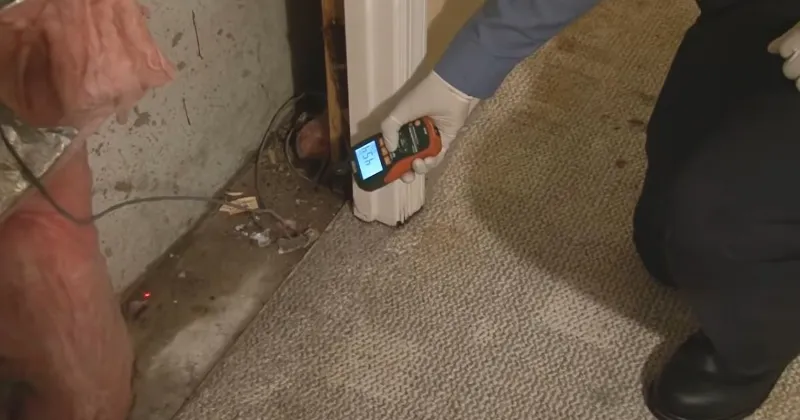
Plaster walls absorb and hold moisture differently than drywall. Water can wick laterally through plaster and lath for several feet from the entry point before moisture meters show elevated readings at the surface. Thermal imaging identifies temperature differentials behind plaster surfaces that indicate hidden saturation. Original hardwood floors are checked for cupping, crowning, and subfloor moisture before extraction priorities are set. Getting this mapping right on day one prevents both over-drying — which cracks plaster — and under-drying, which leads to mold growth in wall cavities.
3. Targeted Water Extraction
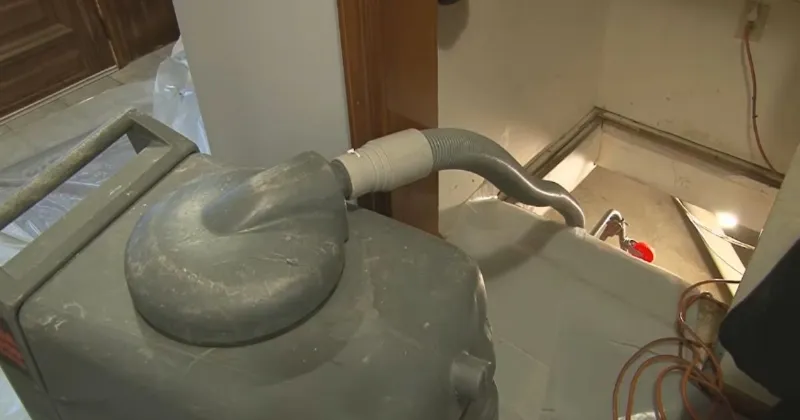
Standing water is removed using truck-mounted and portable extraction units selected for the floor surface involved. Hardwood floors in 80302 homes require low-pressure extraction to avoid surface damage. Finished basements with carpet over concrete get different treatment than unfinished utility basements. Where older cast iron drain lines have backed up, extraction is followed by containment and disinfection before standard drying equipment is introduced. See our emergency water extraction service for details.
4. Controlled Drying for Plaster and Hardwood
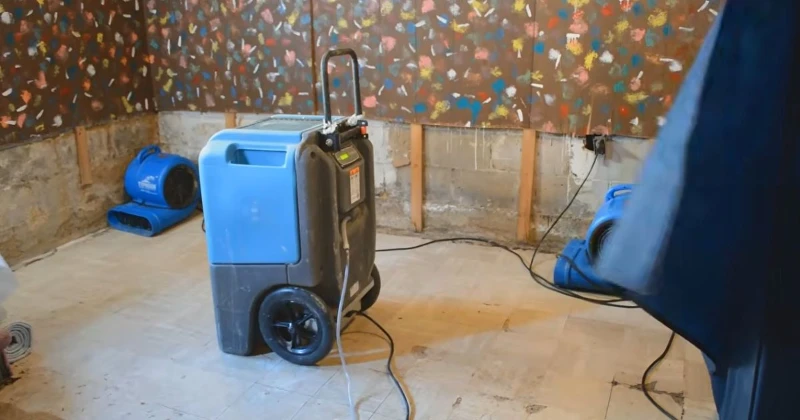
Plaster and hardwood cannot be dried at the same rate as modern materials. Aggressive airflow across wet plaster causes surface cracking; insufficient airflow leaves moisture in the lath backing where it feeds mold. Commercial dehumidifiers and air movers are positioned based on daily moisture readings, not a fixed schedule. Drying mats pull moisture from hardwood subfloors without forcing surface boards to dry unevenly. Equipment placement is adjusted each day based on measured progress, not estimates.
5. Daily Documentation for Insurance and Records
Moisture meter readings, equipment placement logs, dated photographs, and written notes are recorded throughout the project. For 80302 properties with historic finishes, documentation helps establish the pre-loss condition and the scope of affected materials. These records are provided to customers and can support insurance discussions. See our disclaimer for details on what documentation covers. Jobs are not closed until all materials reach measured dry standard — not a fixed number of days.
6. Project Coordination and Completion
We manage customer communication, written estimates, scheduling, invoicing, and project coordination from first call to final sign-off. Independent IICRC-certified contractors perform all physical on-site restoration work. For downtown Boulder property managers and landlords overseeing multi-unit buildings, we provide clear written updates at each stage so tenants and owners have accurate information. Any work beyond the approved estimate requires explicit customer approval.
Residential and Commercial Water Damage Restoration in Downtown Boulder
Water damage affects both homes and businesses in the 80302 area. The process differs depending on property type, occupancy requirements, and whether the property is a single-family residence, multi-family building, or commercial space.
Residential Water Damage
We coordinate water damage restoration downtown Boulder residential properties throughout University Hill, Mapleton Hill, Newlands, and Whittier. Older home construction in these areas requires careful attention to historic materials, finished basement spaces, and original plumbing configurations.
Commercial Water Damage
We also coordinate restoration for commercial properties along the Pearl Street corridor, near the CU Boulder campus, and throughout the 80302 ZIP code. Business owners and property managers searching for water damage restoration near me in central Boulder can reach us at (303) 479-3055 any time — we cover retail spaces, offices, restaurants, and multi-tenant commercial buildings affected by plumbing failures, appliance leaks, storm-related water intrusion, and sewage backups.
Downtown Boulder and 80302 Service Area
Boulder CO Water Damage serves the full 80302 ZIP code for water damage restoration downtown Boulder, including the Pearl Street Mall area, University Hill, Mapleton Hill, Whittier, Newlands, and commercial properties throughout central Boulder. We also serve neighboring Boulder areas, including Gunbarrel, North Boulder, Martin Acres, South Boulder, and Table Mesa. If water damage near me in 80302 or surrounding areas is your search, we cover all of central Boulder 24/7.
Call (303) 479-3055 to confirm service coverage for your specific location.
Why Choose Boulder CO Water Damage?
Here is what customers choosing water damage restoration downtown Boulder can expect from Boulder CO Water Damage:
- 24/7 live phone answering: Contact us any time, including nights, weekends, and holidays.
- Guaranteed 60-minute arrival: On-site within 60 minutes of your call.
- IICRC-certified crew: Independent IICRC-certified contractors perform the physical restoration work.
- Written estimates: Receive a written estimate before work begins.
- Clear project coordination: We manage pricing, communication, scheduling, and invoicing.
- No after-hours charge: No additional after-hours fee.
- Customer approval: Additional work outside the approved estimate requires your approval.
Water Damage Documentation and Insurance
Coverage depends on your policy, the source of water, and the circumstances of the damage. Most homeowner policies cover sudden and accidental water damage from burst pipes, appliance failures, and similar events. Surface water flooding from Boulder Creek or storm runoff typically requires separate flood insurance.
We can provide dated photographs, moisture records, and written scopes of work when appropriate. Customers handle their own insurance communication and claims. Your insurance provider makes the final coverage decision.
Frequently Asked Questions About Water Damage in Downtown Boulder
1. Can you restore water damage in a home with plaster walls without cracking them?
Yes, with the right approach. Plaster cracks when it dries too fast or unevenly. The assigned IICRC-certified crew uses moisture meters and thermal imaging to map saturation depth, then adjusts airflow and dehumidification to match the drying rate plaster requires. Equipment placement and speed are updated daily based on readings, not a fixed schedule.
2. My downtown Boulder home has original hardwood floors. Can they be saved after water damage?
Often yes, depending on how long the water was present and how deep moisture has penetrated. Original hardwood responds to controlled drying — drying mats pull moisture from the subfloor while surface airflow is kept measured to prevent cupping and cracking. Floors wet for more than 24 to 48 hours carry a higher risk of permanent distortion, which is why fast response matters.
3. We live in a multi-unit building near Pearl Street. A pipe in another unit leaked into ours. Can you help?
Yes. We respond to the affected unit, assess moisture spread across shared walls and ceilings, and coordinate extraction and drying for the impacted area. For property managers overseeing multiple affected units, we provide written documentation for each unit separately. Liability between units is a matter for property owners and their insurers to determine.
4. Does standard homeowner insurance cover Boulder Creek flooding into my basement?
Surface water flooding from outside the home — creek overflow, storm runoff — is typically not covered under standard homeowner policies and generally requires separate flood insurance. Sudden internal water damage from burst pipes or appliance failures is usually covered. Your insurance agent and policy documents are the definitive source for your specific coverage.
5. How quickly can a crew reach a downtown Boulder property?
We guarantee on-site arrival within 60 minutes of your call, 24 hours a day, every day of the year. Call (303) 479-3055 at any hour.
6. My Mapleton Hill home has a finished basement that flooded. What happens to the walls and flooring?
Finished basement materials — drywall, carpet, vinyl plank, wood trim — absorb water quickly. The crew assesses moisture in walls, floors, and ceiling assemblies and determines what can be dried in place versus what needs to be removed to allow drying of structural material behind it. Written documentation of scope is provided before any materials are removed.
7. Can you coordinate restoration for a CU Boulder area rental property?
Yes. We work with property managers and landlords overseeing rental properties near CU Boulder and throughout 80302. We provide written estimates, documentation, and clear communication with both the property manager and the occupants so everyone has accurate information about scope and timeline.
8. Do you charge extra for evening or weekend calls?
No. We do not charge an additional after-hours fee regardless of when you call or when the crew arrives in downtown Boulder.
9. What documentation do you provide for insurance purposes?
We provide dated photographs, daily moisture readings, equipment logs, and written scopes of work. Customers handle their own insurance communication. Your insurance provider makes the final coverage determination.
10. Do you serve commercial properties along Pearl Street?
Yes. We coordinate water damage restoration for retail spaces, offices, restaurants, and multi-tenant commercial buildings along the Pearl Street corridor and throughout the 80302 ZIP code, including response to plumbing failures, sewage backups, and storm-related water intrusion.
Get 24/7 Water Damage Restoration in Downtown Boulder
Water damage spreads fast in older downtown Boulder properties, and historic materials give you less margin for delay. Whether you are dealing with a burst pipe in a Mapleton Hill plaster-wall home, basement flooding near Boulder Creek, an appliance leak above a finished basement, or a sewage backup in a Pearl Street commercial space, Boulder CO Water Damage coordinates the response from first call to project completion.
Searching for water damage restoration near me in downtown Boulder, CO? Call (303) 479-3055 for 24/7 response, guaranteed 60-minute arrival, written estimates, and no after-hours charge. When you need water damage restoration near me in 80302, we answer every call. Water damage in older homes also carries mold risk—if you suspect mold after a water event, see our mold remediation Boulder CO service.